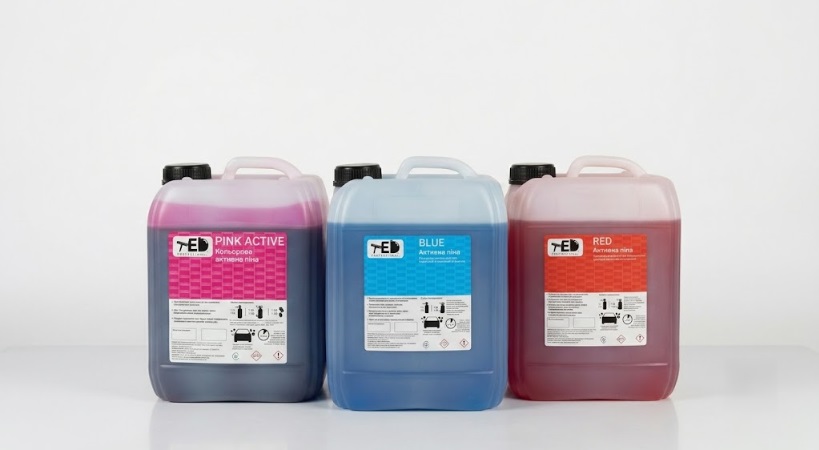
We are pleased to welcome you to the information portal of TED Professional, a manufacturer of professional automotive chemicals. Today, our editorial team takes an in-depth look at the technological revolution in the contactless car wash segment. Brightly colored formulations have almost completely displaced classic white formulations from the automotive chemical market. We’ll take a detailed look at the physical and chemical factors, as well as consumer psychology, behind this fascinating phenomenon. This comprehensive analytical piece will help you understand the real differences between popular active ingredients.
The Psychophysiological Impact of Color on Customer Behavior and Loyalty
The use of bright-colored pigments in chemical car wash solutions is based on the fundamental principles of neuromarketing. We observe how the visual perception of pink, blue, or red stimulates the nervous system. Scientific research in psychophysiology confirms a direct link between color and dopamine release. Bright colors transform the routine and monotonous process of washing a car into an exciting, emotional experience. Users derive significantly more satisfaction from the process, which is guaranteed to increase the average car wash receipt amount.
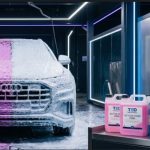
Research in the field of consumer behavioral psychology clearly points to the so-called “gaming effect.” When a customer coats a car body with ordinary white solution, their brain registers this as a standard household task. In contrast, using Pink Active pink foam or a bright blue mixture activates the brain’s aesthetic pleasure centers. We’ve observed that drivers are willing to spend 25–30% more time and money on car care simply for the visual effect. This radically transforms the consumer experience, turning routine car maintenance into a vivid, emotional ritual.
In addition to the purely psychological satisfaction it provides, the colored foam serves a crucially practical and ergonomic purpose. Its bright, contrasting color allows the car wash operator to accurately monitor the evenness of the active chemical solution’s application. We can clearly see every missed millimeter of the metal surface during the rapid application of the solution with a spray gun. This visibility completely eliminates the appearance of dirty spots after the final rinse with water. This is particularly important at outdoor car wash stations where natural evening lighting is insufficient.
Color-based process control significantly minimizes the so-called “human factor” during self-service car washing. White foam on a silver or white car body becomes virtually invisible within just a few seconds after application. As a result, car owners often reapply the product to the same areas, leading to excessive use of cleaning chemicals. Colored foam eliminates this problem by clearly marking the boundaries between treated and untreated areas of the car’s body. This achieves the perfect balance between a high-quality cleaning result and efficient use of time.
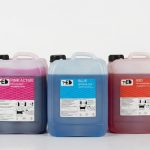
Pink Active Foam – 1:100–1:300 (concentrate)
Price range: from 320.00 ₴ to 3,250.00 ₴Select options This product is available in several variations. You can select the options on the product page.Blue Active Foam – 1:50 – 1:80 (concentrate)
Price range: from 190.00 ₴ to 2,100.00 ₴Select options This product is available in several variations. You can select the options on the product page.RED Active Foam – 1:20 – 1:60 (concentrate)
Price range: from 140.00 ₴ to 1,520.00 ₴Select options This product is available in several variations. You can select the options on the product page.
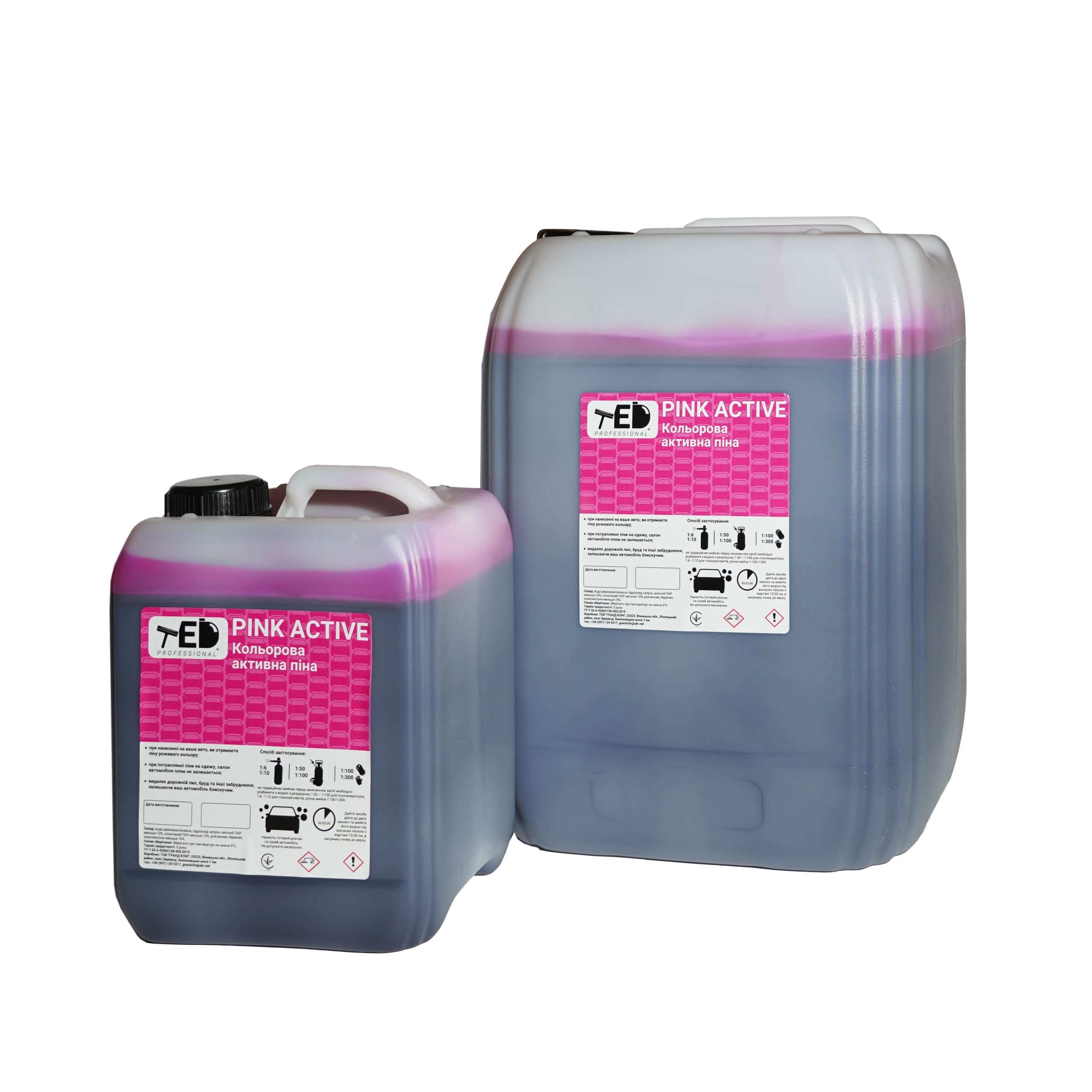
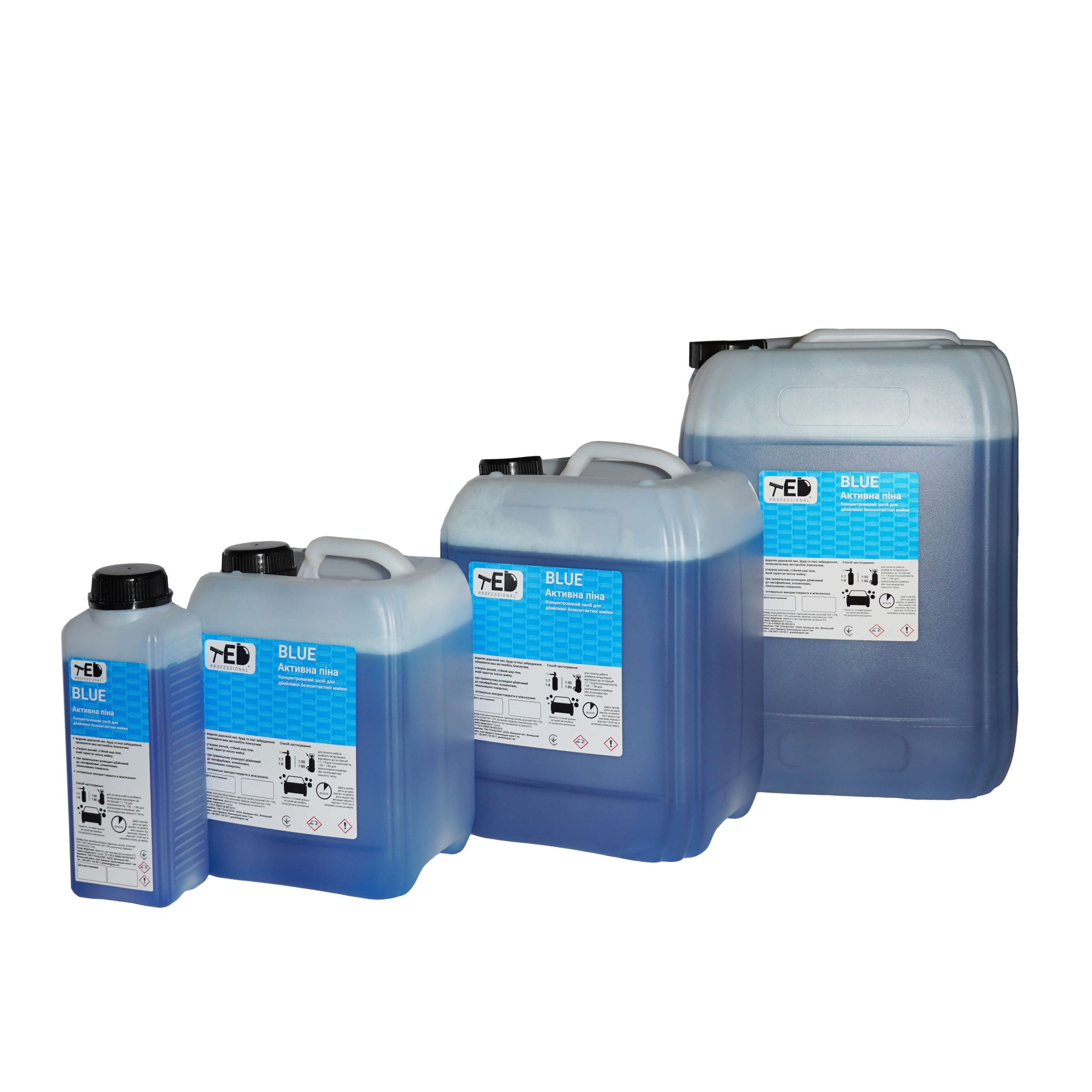
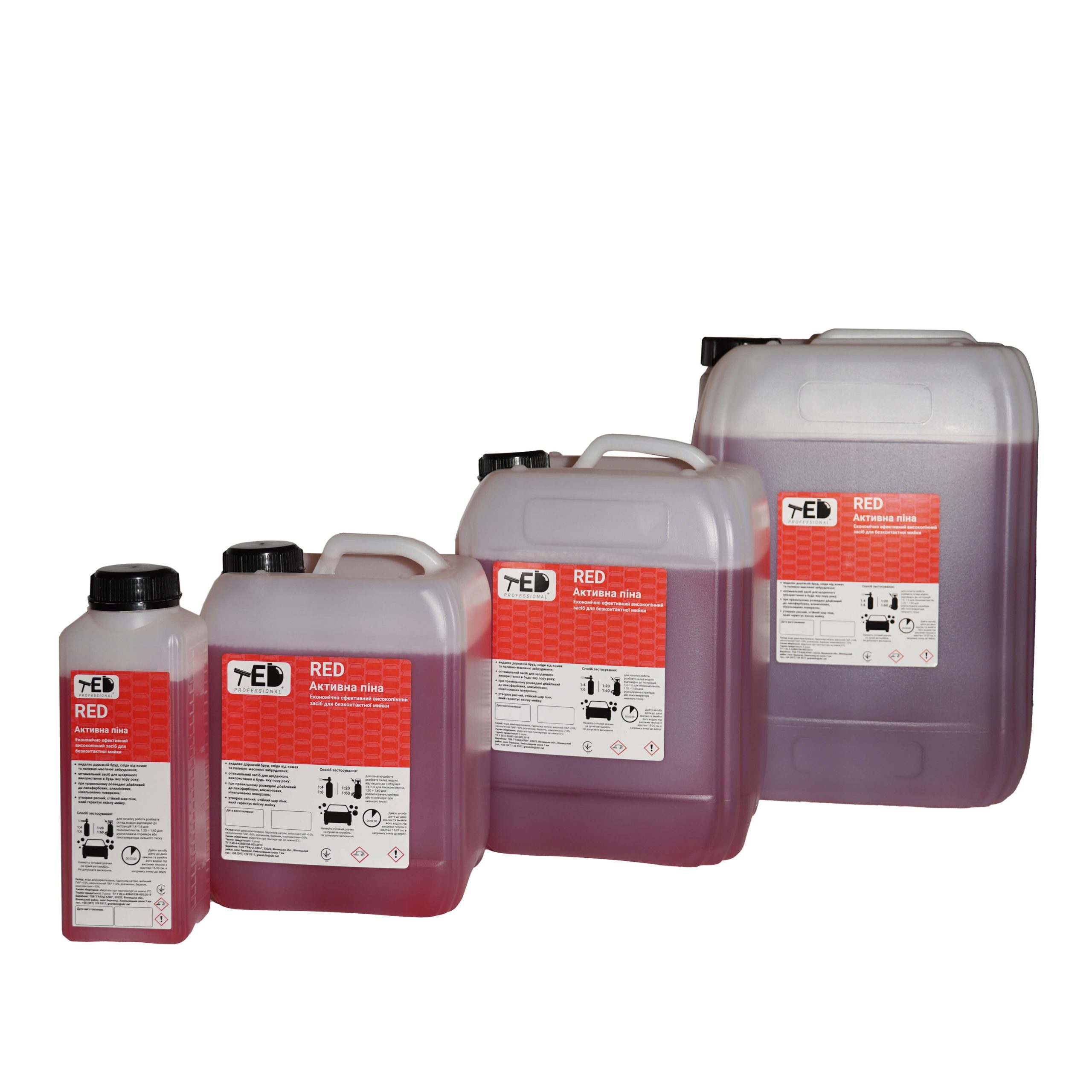
Chemical Composition and Color: Safety of LFP and Pigment Stability
Professional color formulations are characterized by a complex, balanced formula developed by leading chemical engineers. Our team emphasizes that dyes must meet strict safety criteria. A high-quality pigment should leave no residue on paint, plastic, rubber, or chrome parts. Modern European environmental standards require that all surfactants used be fully biodegradable. We recommend choosing only certified products that undergo thorough laboratory testing for compatibility.
The chemical formula of the premium colored foam is based on the synergy of anionic and nonionic surfactants. Only highly purified organic pigments are used for coloring, which do not undergo a persistent chemical reaction with the paint. These components dissolve easily in water of any hardness and are completely rinsed out under high pressure. In contrast, budget-priced products from third-party manufacturers often contain cheap industrial dyes that can penetrate deep into the microcracks of the paintwork. We strongly recommend using only proven, brand-name products that guarantee 100% safety for your car’s exterior.
| Color of the active foam | Pigment Type and Safety | Features of Visual Inspection | Adhesion level on a dirty LFP | Marketing Potential (WOW) |
|---|---|---|---|---|
| Pink | Organic, water-soluble, pH 11.5–12.0 | Maximum on dark-colored car bodies | Very high, thanks to its dense structure | Extreme (the most photogenic color) |
| Blue (Blue) | Food-grade synthetic, pH 10.5–11.5 | Looks great on light-colored and silver cars | High, forms a stable, fine-pored mesh | High (associated with premium purity) |
| Red | Reinforced, heat-resistant, pH 12.0–12.5 | Versatile for any car color | Maximum, prolonged mud runoff period | Very high (associated with aggressive force) |
Why Colored Foam Is Beating Out Classic White: A Technological Analysis
In addition to purely aesthetic advantages, we highlight a number of important technological benefits of colored formulations. Modern colored foams are developed using high-tech, new-generation nonionic and anionic surfactants. These components provide significantly better moisture retention on the metal surfaces of the vehicle body. The thick colored foam layer settles much more slowly, which increases the duration of direct chemical contact with dirt. We achieve maximum effectiveness in breaking down complex road films without the need for additional mechanical friction from a brush.
It has been scientifically proven that the density and dispersion of colored foam significantly exceed those of standard alternatives. Thanks to the addition of foaming stabilizers, the air bubbles have a smaller diameter and fit more tightly together. This creates a “snow blanket” effect that literally sucks in and absorbs hard, abrasive dust microparticles. As a result, dirt is gently separated from the paint surface and runs off without the risk of scratching the delicate finish. Colored foams represent the pinnacle of contactless car wash technology, combining chemical effectiveness with absolute mechanical safety.
- significantly longer retention time of the active ingredient on vertical body parts
- Accelerated breakdown of heavy, stubborn contaminants and road oil films
- the ability to visually assess when a chemical reaction is complete based on a change in the color of the foam
- a high level of protection for chrome-plated components against the corrosive effects of alkaline compounds
- Improved solubility in cold water thanks to special, innovative complexing agents
Cost-Effectiveness and Return on Investment for Car Wash Businesses
For car wash owners, introducing colored foam is becoming one of the most effective marketing tools. We regularly analyze the financial performance of facilities after they switch to bright, branded foam formulations. Customers are much more likely to take photos of the car wash process and share them for free on social media. This generates a huge flow of organic traffic without requiring additional advertising budgets. As a result, investments in premium colored car wash chemicals pay for themselves within the first few months of operation.
Mathematical calculations show that the cost of the dye in the concentrate accounts for only a small fraction of the production cost. However, offering the “Colored Foam” service at a car wash allows a business to stand out among numerous generic competitors. To the end consumer, this service appears to be a premium option for which they are willing to pay more. We’re seeing a consistent trend: car washes with bright pink or blue foam have 40% higher foot traffic. This is a great example of how a simple visual enhancement to a product creates tremendous added value for a business.
Mistakes When Working with Colored Active Foam
To keep the delicate parts of your car in perfect condition, you must strictly follow the technical instructions. We strongly urge you not to allow the colored solution to dry completely in direct sunlight. As the water evaporates, the concentrated dye pigment may leave permanent stains on light-colored plastic. Also, be sure to monitor the dilution ratio of the concentrate and use only high-quality soft water. We’re always happy to help you find the optimal equipment settings to produce the perfect foam.
Special attention should be paid to the step of rinsing chemical residue from hard-to-reach areas of the car body. Color pigment tends to accumulate in the gaps between body panels, under rubber seals, and around headlights. If the foam is not thoroughly rinsed off with a high-pressure water jet, noticeable colored lines will form there once it dries. Therefore, we recommend starting the rinsing process from the bottom up, carefully going over every seam and plastic component. Following this simple procedure guarantees impeccable cleanliness and preserves the factory appearance of any car.
- applying a chemical solution to body parts heated by the sun
- Insufficiently thorough final rinsing with clean, high-pressure water from the corners
- using water that is too hard, which significantly reduces the effectiveness of the foam produced
- exceeding the specified concentration of a chemical agent in order to obtain a thicker cap
- failure to use personal respiratory protection equipment when spraying mixtures
The Effect of Water Hardness on the Detergent Activity of Pigmented Formulations
As the direct manufacturer of the innovative TED Professional line of professional automotive chemicals, we continuously conduct in-depth internal laboratory research. Our chemical engineers have thoroughly studied how water hardness affects the stability of the organic pigments Pink Active, Blue, and Red. The presence of large amounts of dissolved calcium and magnesium salts in untreated water triggers an undesirable binding reaction involving classic anionic surfactants. This process results in the formation of microscopic salts that are insoluble in water, which significantly reduce the cleaning power of the final solution and diminish the visual brightness of the color pigment itself.
To solve this complex engineering problem, we have incorporated a unique complex of tripolyphosphates and advanced, next-generation organic complexing agents into our product formulations. At the molecular level, these highly effective components completely block free hardness ions, creating an ideal chemical environment for the dye to function stably. Thanks to this innovative formula, our brand’s colored active foam fully retains its claimed cleaning and adhesive properties. Even when using well water without prior softening, you are guaranteed a lasting abrasive cleaning effect and a visually stunning display at the car wash station.
Engineering Standards for Configuring Equipment to Produce Thick Colored Foam
Achieving a perfectly dense, colored foam cap that will adhere to vertical car parts for an extended period requires precise technical adjustment of the dosing systems. To achieve ideal results, we strongly recommend that car wash owners thoroughly calibrate their dosing pumps. The optimal concentration of the chemical concentrate in the final working solution must be strictly between one and three percent. Deliberately reducing these proportions will result in a loss of density and color intensity, while exceeding the standard will lead to unnecessary budget overruns and increase the risk of staining delicate paintwork components.
In addition to adjusting the chemical concentrate feed, special attention must be paid to regulating the compressed air pressure in the foaming system. The operating pressure of the air compressor must be maintained within a stable range of 4.5 to 5.5 bar. If the pressure is too low, instead of rich foam, a liquid colored emulsion will be applied to the car’s body, which will immediately run off onto the floor. Our technical specialists also recommend replacing the internal foam tablets (mesh screens) in the spray guns regularly, at least once a month. Timely maintenance of these inexpensive consumables completely eliminates operational failures and ensures a perfect application pattern for the mixture.
| System Specifications | Recommended values | Effect on the Structure of Colored Foam | Signs of a violation of the regulations |
|---|---|---|---|
| Concentrate Ratio | 1.5%–2.5% (depending on water hardness) | Provides optimal color saturation and cleaning power | Thin, pale foam (if the level is too low) or stains on the plastic (if the level is too high) |
| Operating air pressure | 4.5–5.5 bar (stable pressure in the main line) | Responsible for the fine-pored structure and lightness of the mixture | Large flakes slide off quickly; lacks fluffiness |
| Condition of the effervescent tablet | Replace every 1,000–1,500 cycles of use | Ensures high-quality mechanical mixing of the mortar with air | Uneven mixture output, water leaks, and dirty streaks on the car |
TED Professional's Technical Guidelines for Contactless Car Wash
To achieve perfect results when washing your car with colored active foam, we recommend strictly following our proprietary procedure. Before applying the chemical solution, be sure to check that the car’s paint finish is not too hot. If the car has been exposed to direct sunlight for an extended period, be sure to first cool the metal parts of the body by rinsing them with cold, high-pressure water. Applying the product to hot, dry paint is strictly prohibited due to the high risk of permanent alkaline stains.
Apply the prepared colored foam using smooth movements of the spray gun, strictly from the bottom up. First, cover the sills and wheels, then the door panels and trunk, and finally the hood and roof of the car. This method allows the active chemical to interact with the dirtiest lower areas of the body for as long as possible. Let the colored foam sit on the car’s surface for two to three minutes, making sure it doesn’t dry completely. Once the chemical reaction is complete, thoroughly rinse off any remaining pigmented foam with clean, high-pressure water in the same direction—from bottom to top—paying special attention to the body’s technical gaps and joints.
Pink Active Foam – 1:100–1:300 (concentrate)
Price range: from 320.00 ₴ to 3,250.00 ₴Select options This product is available in several variations. You can select the options on the product page.Blue Active Foam – 1:50 – 1:80 (concentrate)
Price range: from 190.00 ₴ to 2,100.00 ₴Select options This product is available in several variations. You can select the options on the product page.RED Active Foam – 1:20 – 1:60 (concentrate)
Price range: from 140.00 ₴ to 1,520.00 ₴Select options This product is available in several variations. You can select the options on the product page.
Frequently Asked Questions
1. Is colored active foam safe for a car's paint finish?
Yes, TED Professional’s certified premium color chemistry is completely safe for all types of modern automotive paint finishes. Our formulas use highly purified, water-soluble organic pigments that do not undergo a persistent chemical reaction with automotive paint. They are designed to effectively absorb dirt and rinse off completely with high-pressure clean water, leaving no residue.
2. Should I rinse off the colored foam with warm water for best results?
No, there is absolutely no technical need for that. The formula for TED Professional’s premium color products contains innovative complexing agents that ensure rapid activation of surfactants and complete dissolution of dirt even in cold water. For a flawless final result, what matters far more than water temperature is the water pressure during rinsing and the use of soft, demineralized water during the final rinse.
3. What is the optimal dilution ratio for concentrated colored foam?
For standard operating conditions and to achieve a stable, rich color head, we recommend setting the dosing equipment to an operating concentration between 1.5% and 2.5% (depending on water hardness). Attempts to artificially increase the concentration for an even brighter color will not improve cleaning performance but will only result in unnecessary financial costs for the business.
4. Why does colored active foam drain more slowly than regular white foam?
This is due to its unique chemical composition and the presence of foam stabilizers. The formula for the colored foam is based on a new generation of nonionic and anionic surfactants, which form a very dense, fine-pored structure. This “film” retains moisture much more effectively, allowing the product to remain on the vertical panels of the vehicle’s body for a long time, thereby prolonging the duration of chemical interaction with road-borne static dirt.
5. Does water hardness affect the performance of car care products for colored surfaces?
Hard water, which contains large amounts of calcium and magnesium ions, significantly reduces the foaming and cleaning power of any detergent. To address this issue, special organic chelating agents are added to TED Professional products. These agents bind hardness salts at the molecular level, allowing the pigments and cleaning agents to perform consistently even when used with well water.
6. What is the correct way to apply colored foam to a car's body?
According to professional guidelines, the finished mixture is applied using horizontal spray gun movements strictly from the bottom up: first, the wheels and sills are covered, then the door panels and trunk, and finally the roof and hood. This method prevents the chemical from running off prematurely and ensures maximum contact with the dirtiest lower areas of the vehicle.
7. How long should the active foam be left on the car before rinsing it off?
The optimal contact time for the surfactant to act on the car’s surface is 2 to 3 minutes. This period is more than enough to completely soften and loosen caked-on road grime and dust. The main rule is: under no circumstances should you leave the product on the car’s body longer than the specified time, and you must not allow the foam to dry completely due to wind or sun exposure.
8. Are the colorants in automotive chemicals safe for the environment?
Yes, our entire line of automotive chemicals fully complies with the current environmental safety standards of Ukraine and the European Union. The organic dyes and surfactants used in production have a primary biodegradability rate of at least 90%. This ensures the rapid breakdown of chemical compounds in the environment and significantly reduces the burden on car wash treatment systems.