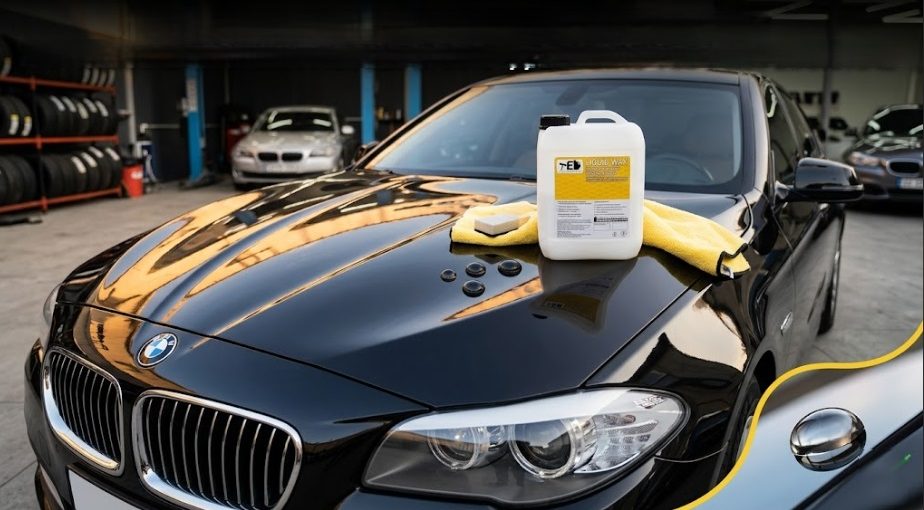
The desire to achieve a deep shine on the paint finish without expensive procedures
or professional, costly detailing is driving car owners to seek effective alternative solutions.
Most drivers mistakenly believe that a beautiful mirror-like finish is possible
only after complex abrasive polishing or the application of long-lasting ceramic
coatings. In reality, modern liquid wax allows you to significantly improve the appearance
of your car’s body even under ordinary home conditions, all on your own.
In recent years, professional automotive chemical technologies have undergone significant
engineering changes. Modern, innovative polymer components not only provide
an aesthetic shine to the treated surface but also reliably form an additional
protective layer against aggressive environmental factors. Today, high-quality
liquid wax is widely used by both experienced, certified dealers and
ordinary, conscientious car owners for ongoing, regular body care.
Commentary by a TED Professional expert
The Liquid Wax application process involves creating a thin polymer film
that drastically reduces the adhesion of road dirt to the paint finish.
This professional formula acts as a long-lasting hydrophobic barrier that makes
subsequent car washes easier and reliably protects the paint from
deep penetration by chemical reagents, salts, and ultraviolet solar radiation.
What Is Liquid Wax and How Does It Work?
Liquid wax is a special concentrated protective formula that
It is applied to the paint finish after the main cleaning steps are complete.
Its unique formula includes natural waxes and synthetic
polymers. After application, a thin, uniform protective layer forms on the components
film. The main principle behind the product is to significantly reduce
the micro-roughness of the lacquer and the creation of a perfectly smooth optical layer that provides high-quality reflection.
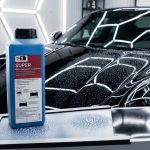
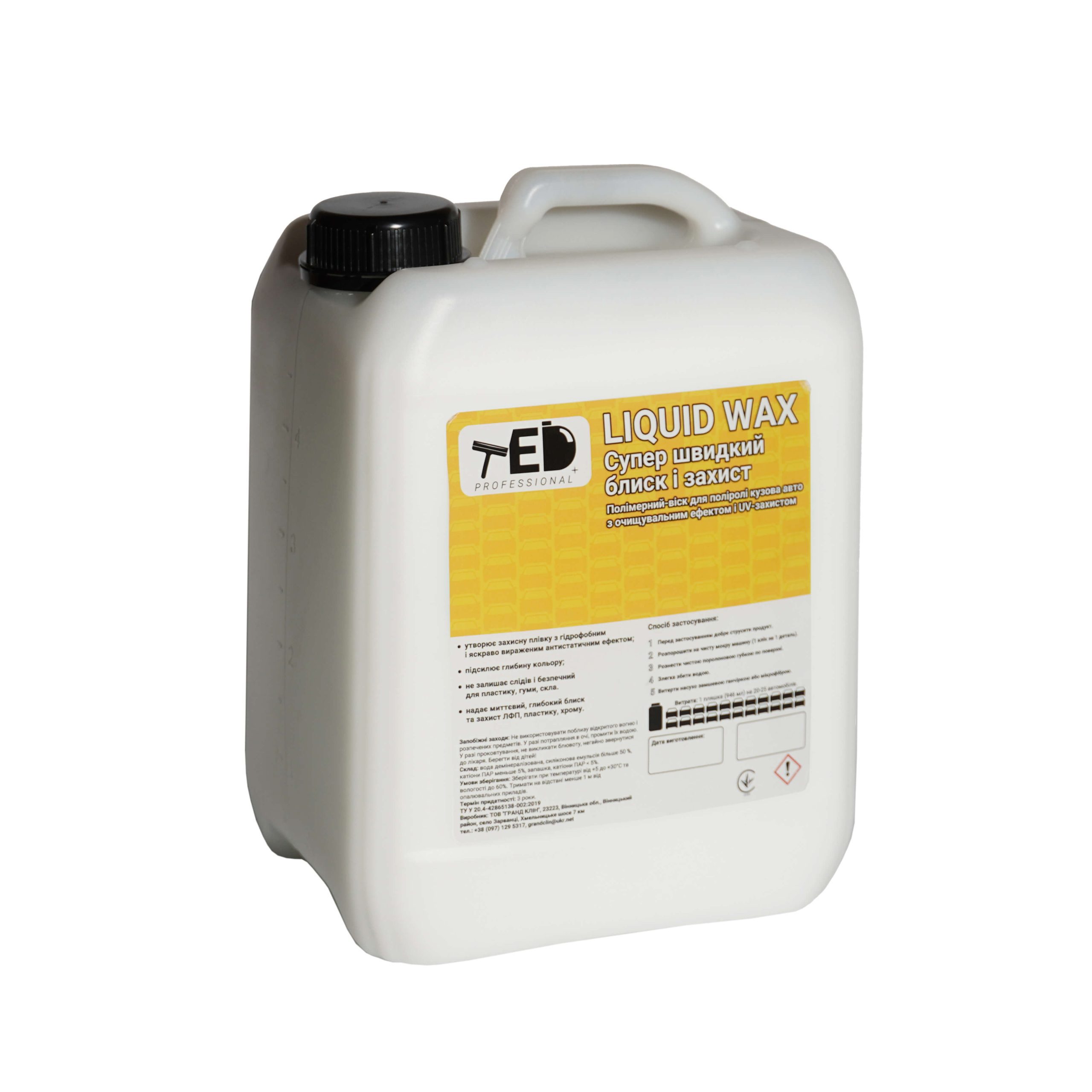
Liquid Wax – Express Wax for a Wet Car Body, 3–5 min
Price range: from 650 ₴ to 1,800 ₴Select options This product is available in several variations. You can select the options on the product page.
The smoother the treated surface becomes after the procedure is complete, the
better the light is reflected off your car’s body. It is
this basic physical process that allows for a bright, mirror-like effect
even on used cars that have been in daily use for a long time.
Polymer components reliably seal micro-pores, preventing further deterioration of the factory
gloss caused by oxygen radicals and fine road abrasives.
Why Does the Car's Paint Job Lose Its Shine Even After a Thorough Wash?
Many car owners wonder why their car looks dull even after
a thorough cleaning at a professional car wash or in their own garage.
The main reason isn’t residual static dirt on
the car’s parts. Daily use inevitably creates thousands of tiny micro-scratches on
the entire body, which randomly alter the way light is reflected.
Light rays scatter in different directions, creating a visual effect of dullness.
The Advantages of Liquid Wax Over Other Types of Protection
One of the main technical advantages of liquid wax is the extreme
ease of application without the need for specialized, expensive equipment.
Most modern formulations provide an instant visual result
which is very important for those who prefer to maintain their cars themselves.
The cost of this useful procedure also remains significantly lower
when compared to applying hard ceramic or quartz coatings.
Liquid wax is less demanding in terms of application conditions and
does not require strict adherence to a drying temperature regimen lasting several hours.
At the same time, the driver gets an excellent level of optical shine and
a powerful water-repellent effect that lasts for many weeks in a row.
For most drivers, this balance between price and final result
is the best choice for maintaining the vehicle’s market value.
What supplies will you need before applying Liquid Wax?
Proper preparation is a fundamental step in creating a durable coating.
Before applying the protective layer, the paint and varnish coating must be completely degreased.
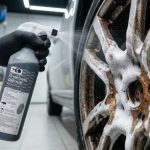
For this purpose, it is advisable to use professional automotive chemicals which is delicate
removes residues of bitumen, resins, insects, and other stubborn contaminants.
Using high-quality cleaners ensures maximum adhesion of the protective wax polymer.
You will also need clean microfiber towels with a high-density pile.
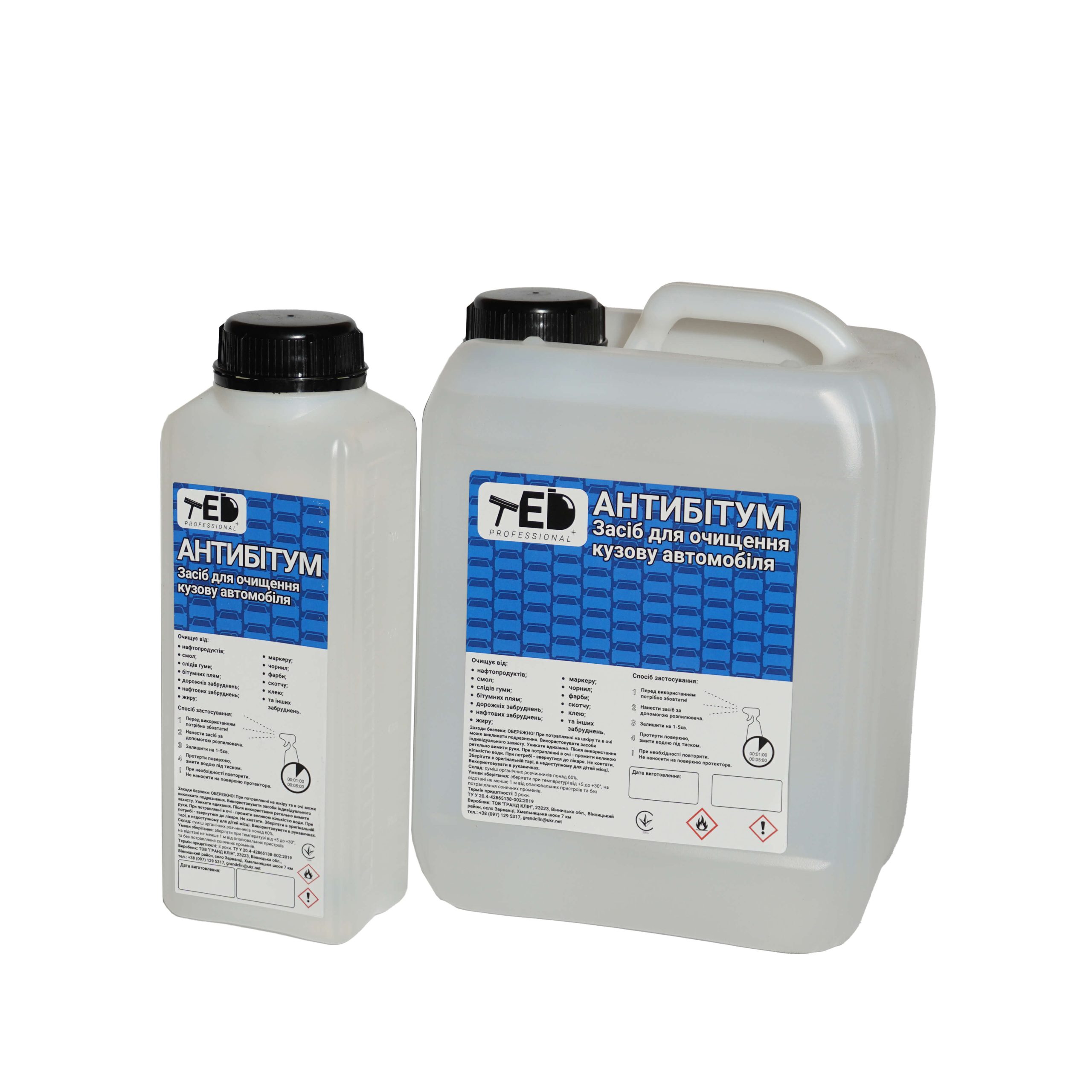
Antibitum – a bitumen and resin cleaner
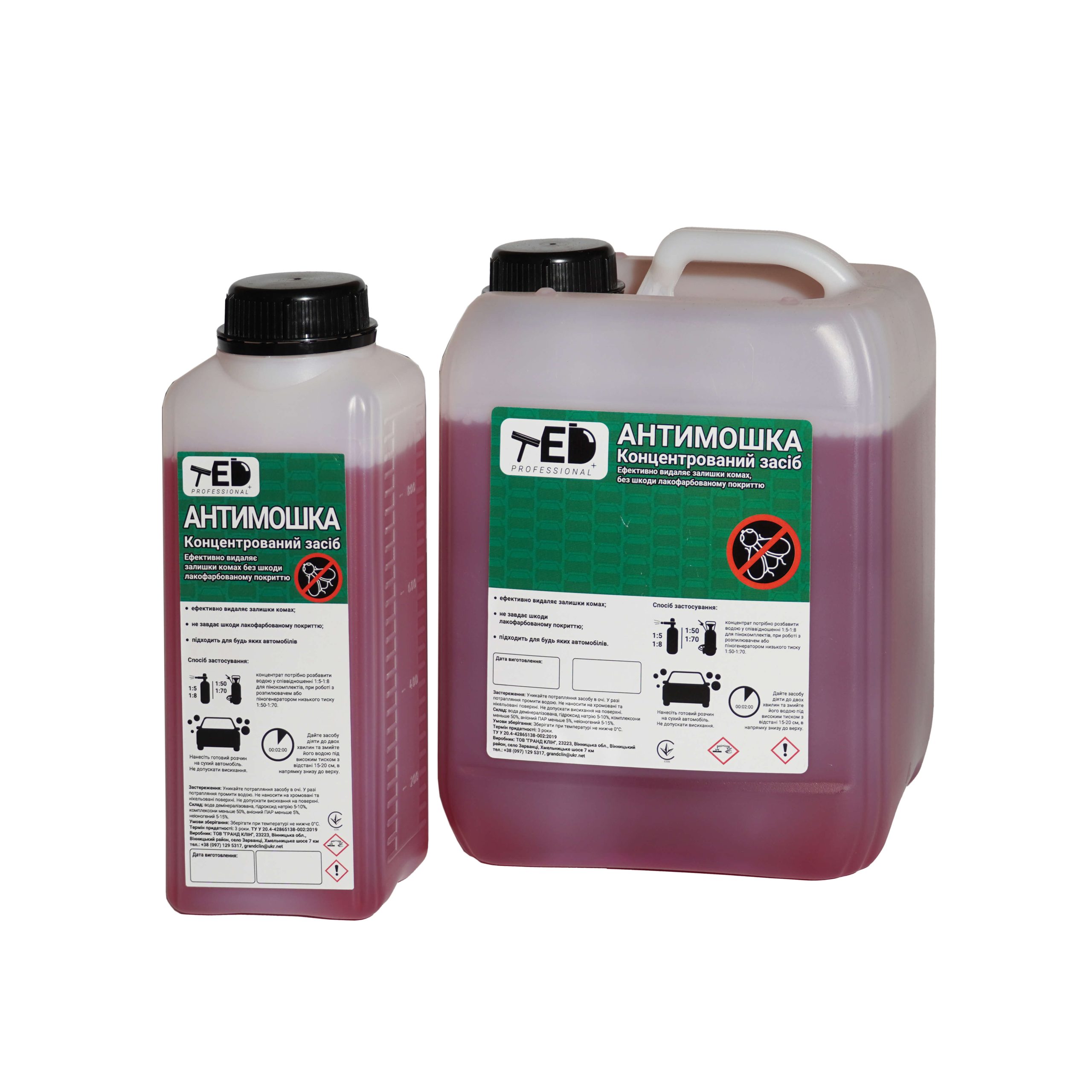
Price range: from 451 ₴ to 1,994 ₴Select options This product is available in several variations. You can select the options on the product page.Antimoshka – a cleaner for insects and organic contaminants
Price range: from 250 ₴ to 1,350 ₴Select options This product is available in several variations. You can select the options on the product page.
Step-by-Step Instructions for Applying Liquid Wax
- Wash your car thoroughly using active foam and car shampoo.
- Rinse off all traces of detergent thoroughly with clean running water.
- Dry the car body with a microfiber cloth or a special drying towel.
- Make sure the surface is free of bitumen, resin, and insect residue.
- Work only on a cooled-down body in a shaded area.
- Shake the bottle or can of liquid wax well before use.
- Apply Liquid Wax in an even, thin layer to the surface of the car body.
- Work on the car step by step, moving from the roof down to the lower parts.
- Follow the manufacturer's recommended exposure time for the product.
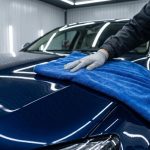
- Spread the product evenly with a clean, soft microfiber cloth, without applying excessive pressure.
- Remove any remaining product until a uniform, deep shine appears.
- Check the surface to make sure there are no streaks or untreated areas.
- Allow the protective layer to set for several hours after application.
- Avoid exposing the body of the vehicle to water during the recommended period.
- Evaluate the result based on the surface shine and the water-repellent effect.
Common Mistakes When Using Liquid Wax
The most common mistake is applying the active formula to hot parts
or working in direct sunlight on a summer day. High
temperatures cause the solvent to evaporate too quickly, which leads to
the appearance of spots and streaks that are difficult to polish out later.
Insufficient preliminary cleaning of the body to remove static residue also negates
the effect, as the wax settles on the dirt, reducing its service life.
How to Test the Effectiveness of a Wax Coating
The simplest way to check the coating’s performance is to perform a water droplet test.
On a properly treated car body, water instantly forms into perfect
spherical droplets. They quickly roll off the surface under the influence of
their own weight or the flow of oncoming air while driving.
Visually, the car’s color becomes noticeably richer, and a depth effect appears
which looks particularly striking on dark and black paint finishes.
The Specialist's Technical Verdict
Liquid Wax remains one of the most effective products
for improving the appearance of your car on your own without significant financial
expenses. With proper preparation of the paintwork and the use of
a professional line of car care products, you can achieve a lasting result that
protects the body. Regularly refreshing the wax layer will help maintain
a mirror-like shine for a long time and ensure easy daily cleaning of your car.
Frequently Asked Questions
How often should liquid wax be applied?
To maintain a consistent water-repellent effect and mirror-like shine, it is recommended to renew the protective coating every 3–5 washes or once a month.
Can Liquid Wax be applied to damaged paint?
Wax fills in micro-cracks and enhances shine, but it cannot hide deep scratches or chips, which require spot repairs or polishing.
What is the difference between liquid and solid wax?
Liquid wax is much quicker and easier to apply, making it ideal for home use. Solid wax takes longer to buff, but lasts longer.
Does liquid wax protect against scratches?
No, the plastic film is too thin to protect against mechanical scratches caused by branches or rocks. However, it does protect against chemical burns caused by bird droppings and chemicals.