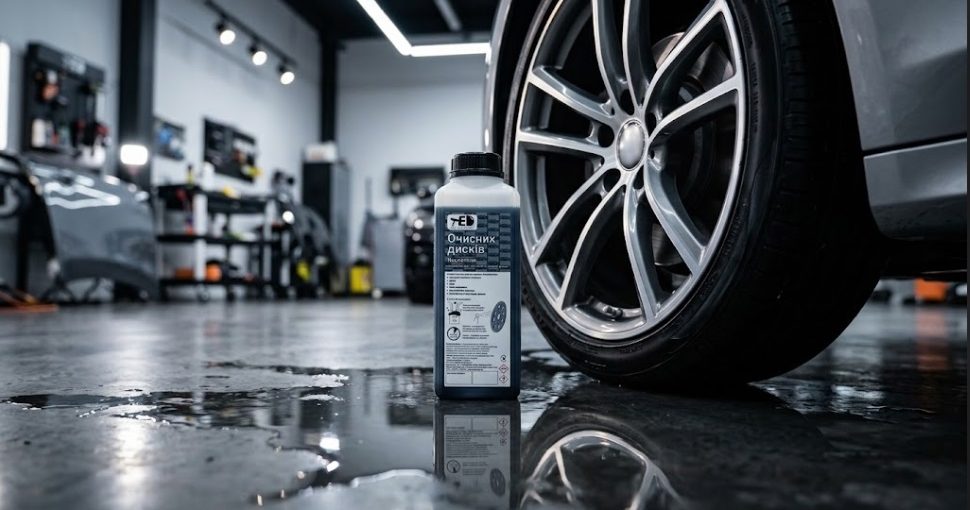
I regularly advise car owners, detailing studios, car wash complexes, and service stations on the proper care of alloy wheels. In practice, I often see that even experienced car owners pay a lot of attention to washing the body but hardly ever think about properly cleaning the wheels. It is brake pad wear particles that accumulate on the surface the fastest, gradually damaging the decorative coating and detracting from the car’s appearance.
Many people mistakenly believe that regular car shampoo or active foam completely remove dark stains from alloy wheels. In reality, most of the contaminants contain metal particles, oxides, graphite, and resins, which literally bake into the paint finish under the high temperatures generated by the braking system. That is why, for safe cleaning, it is essential to use specialized automotive cleaning products and follow the application instructions correctly.
Commentary by a TED Professional expert
As a TED Professional expert, I always emphasize that proper care for alloy wheels doesn’t start with choosing the harshest cleaner, but with understanding the nature of the dirt itself. If you use the right products, follow the recommended exposure time, and prevent the cleaner from drying on the surface, you can completely remove even stubborn deposits without any risk to the wheel’s paint or decorative finish.
Why are brake pad wear products so difficult to remove?
Most drivers refer to the dark film on their wheels as ordinary dust, although in reality it is significantly different from road dirt. The bulk of this contamination consists of minute particles of metals, graphite, resins, iron oxides, and other components that are generated when the brake pad rubs against the surface of the brake rotor. It is precisely because of this composition that it is virtually impossible to remove these deposits by simply washing the wheels.
Every time the brake pedal is pressed, the temperature of the working surface can reach several hundred degrees, depending on driving style. Particles of brake pad material are literally stripped from its surface, mixing with the tiniest metal fragments from the wheel itself. The airflow then carries these microparticles directly to the wheel, where they settle on the painted surface of the cast wheel.
The most challenging part is that most of these particles remain at a very high temperature even after braking has ended. When they hit the surface, they partially soften the top layer of clear coat, after which they literally become trapped inside the coating’s micropores. That’s why, after just a few weeks of normal city driving, the wheels start to lose their shine, and the dark film can no longer be removed with plain water.
How brake dust is formed
The braking system works by generating friction between the brake pad and the brake rotor. During this process, the vehicle’s mechanical energy is converted into heat, and at the same time, both contact surfaces gradually wear down. It is these wear particles that form the dark dust we regularly see on alloy wheels.
Modern brake pads contain a complex mix of components: metal fibers, graphite, ceramic additives, organic resins, abrasive particles, and special binders. During heavy braking, all these elements partially break down and are released into the environment in the form of an extremely fine aerosol. It is this aerosol that gradually accumulates on the car’s wheels.
According to research by SAE International, modern friction materials generate particles of various sizes during operation—ranging from tens of micrometers to the submicron level. The finest particles easily penetrate the micro-irregularities in the paint finish and remain firmly attached to the surface even after repeated car washes. That is why the proper cleaning method must take their nature into account.
What components does brake pad consist of?
| Component | Source of formation | Effect on the disc surface |
|---|---|---|
| Iron particles | Wear on the brake disc and pads | They can cause localized corrosion and become embedded in the varnish. |
| Graphite | Brake pad friction material | Creates a durable dark coating. |
| Organic resins | Brake Pad Components | They increase the adhesion of contaminants. |
| Metal oxides | High-Temperature Oxidation | They make it more difficult to clean the surface. |
| Copper and other impurities | Sport or semi-metallic brake pads | They accelerate the formation of complex deposits. |
It is precisely this multi-component structure that explains why the dirt on alloy wheels cannot be considered ordinary road dust. Each component has its own physical and chemical properties, so there is simply no universal household cleaner capable of completely removing it. Some substances dissolve grease well, while others are effective against mineral deposits, but only specialized cleaners are capable of simultaneously neutralizing metal particles and organic residues.
Why brake dust literally sticks to the alloy wheel
One of the most important factors is temperature. During heavy braking, the brake rotor surface can heat up to 300–500 °C, and in some sports cars, even higher. Hot metal particles that are shed from the braking system come into contact with the wheel’s surface before it has fully cooled, forming an extremely strong bond with the paint.
Research published in *Tribology International* shows that friction-generated deposits exhibit high adhesion to metal and polymer surfaces. Some of the contaminants penetrate the microscopic pores of the protective coating, while others react with moisture and oxygen to form oxide compounds. Over time, this deposit becomes even harder and more difficult to remove.
That is why I recommend not waiting until your alloy wheels turn completely black. Regular cleaning is much easier, safer, and cheaper than having the finish restored later or having them professionally polished. If dirt is removed early on, you can preserve the wheels’ factory shine and significantly extend the life of their decorative finish.
Why you can't clean alloy wheels with any car chemicals
I often see situations where car owners use general-purpose household cleaners or overly harsh acidic chemicals to clean their alloy wheels. While this approach can quickly remove some of the dirt, it can also damage the protective clear coat, decorative paint, or even the polished surface. That’s why the choice of a cleaner should be based not only on its effectiveness but also on its compatibility with the material of the specific wheel.
Most modern cast wheels have a multi-layer coating. First, an anti-corrosion layer is applied, followed by decorative paint, and finally, the surface is protected by a clear polymer varnish. This varnish is responsible for the shine, as well as resistance to UV rays and mechanical damage. If you use the wrong product, you can damage this protective layer, causing the wheel to lose its appearance more quickly, even with regular maintenance.
Research in the field of materials science shows that polyurethane and acrylic automotive paints react negatively to prolonged contact with concentrated acids or strong alkalis. That is why professional wheel cleaners have a controlled pH level and special complexing agents that selectively target contaminants without damaging the wheel’s decorative finish.
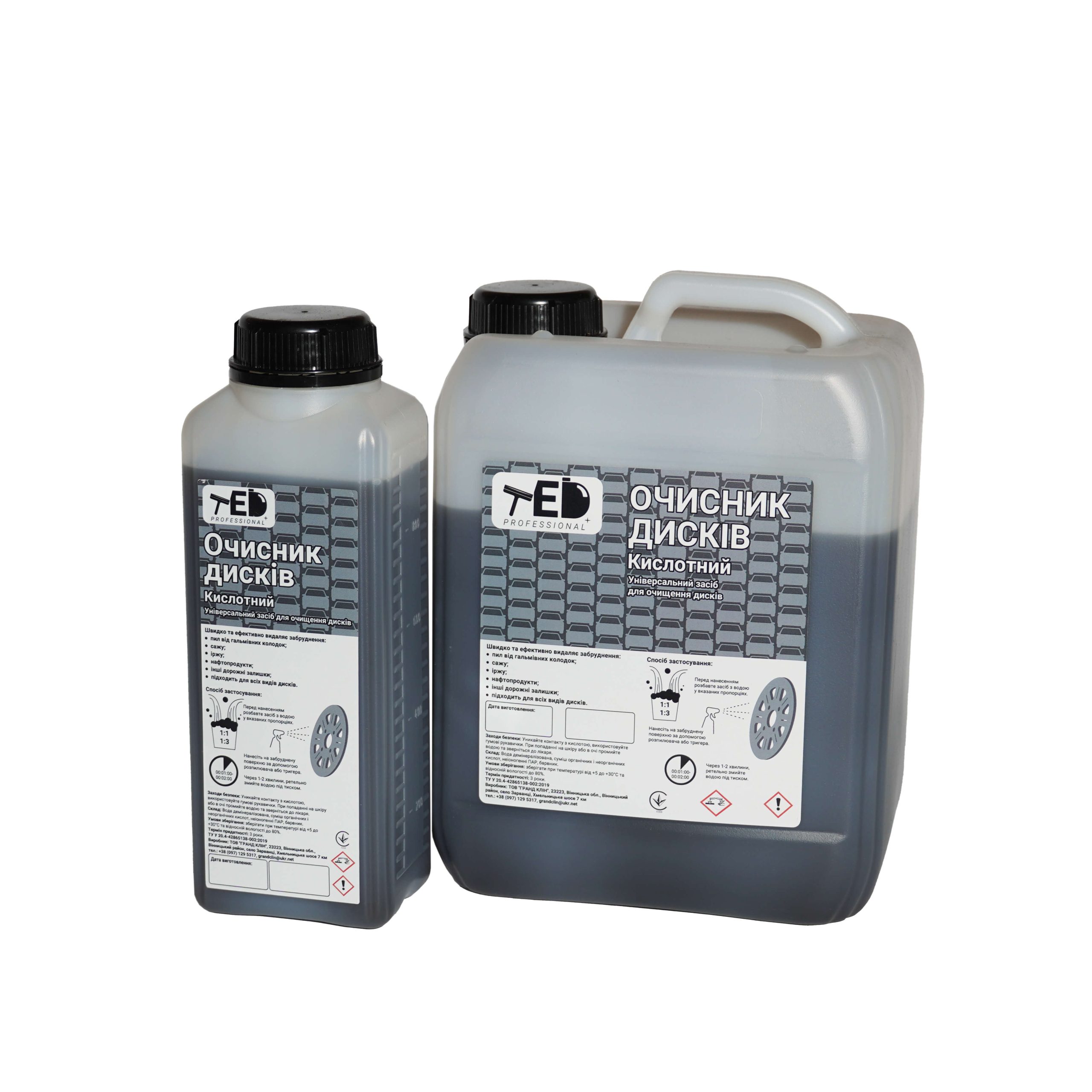
Acidic Wheel Cleaner – 1:3 (concentrate)
Price range: from 330 ₴ to 1,160 ₴Select options This product is available in several variations. You can select the options on the product page.
Common errors when cleaning disks
- the use of household acidic cleaning products for plumbing fixtures;
- applying cleaner to the rims while they are still hot after a drive;
- working in direct sunlight;
- using stiff metal brushes;
- excessively long exposure to car chemicals;
- failure to thoroughly rinse off product residue.
Each of these mistakes, taken individually, can shorten the service life of the wheel finish. Taken together, they significantly accelerate the appearance of dull spots, localized corrosion, and the loss of the factory shine. That is why professional detailing is based not on the strongest chemicals, but on the proper technique for using modern, specialized cleaners.
What products are best for removing brake pad wear products?
In my practice, I always recommend using specialized wheel cleaners designed specifically to remove metal contaminants. These products contain complexing agents, surfactants, dispersants, and corrosion inhibitors, which safely break down the structure of brake dust without damaging the paint finish.
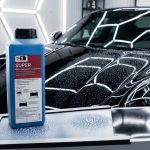
Before applying any protective coating, you must thoroughly wash the car. That is why the first step should always be to clean the body using professional Active Foam, which removes road grime and reduces the risk of scratches during subsequent maintenance.
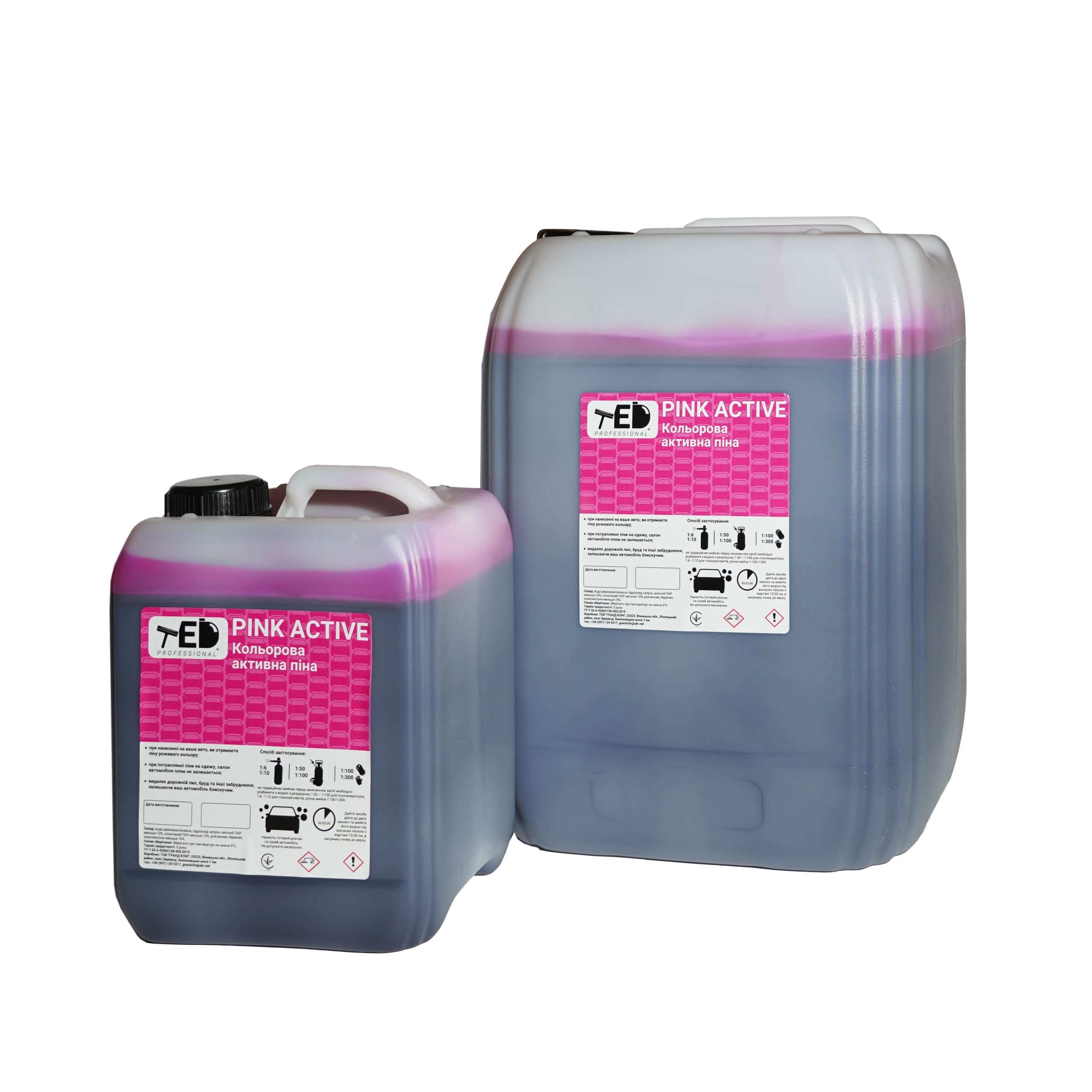
Pink Active Foam – 1:100–1:300 (concentrate)
Price range: from 350 ₴ to 3,905 ₴Select options This product is available in several variations. You can select the options on the product page.Powerful Active Foam – 1:130 foam (concentrate)
Price range: from 300 ₴ to 3,170 ₴Select options This product is available in several variations. You can select the options on the product page.Blue Active Foam – 1:50 – 1:80 (concentrate)
Price range: from 250 ₴ to 2,990 ₴Select options This product is available in several variations. You can select the options on the product page.
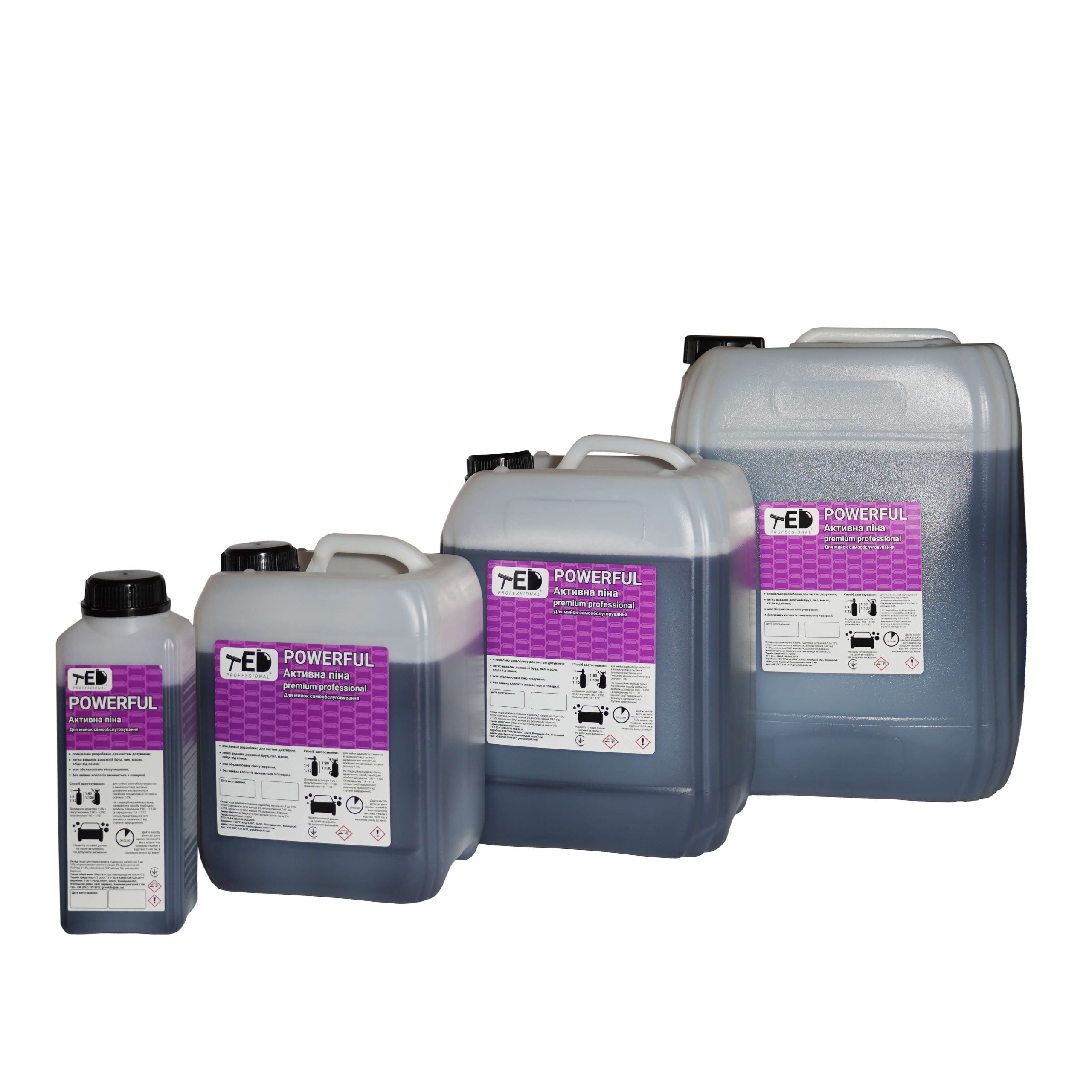
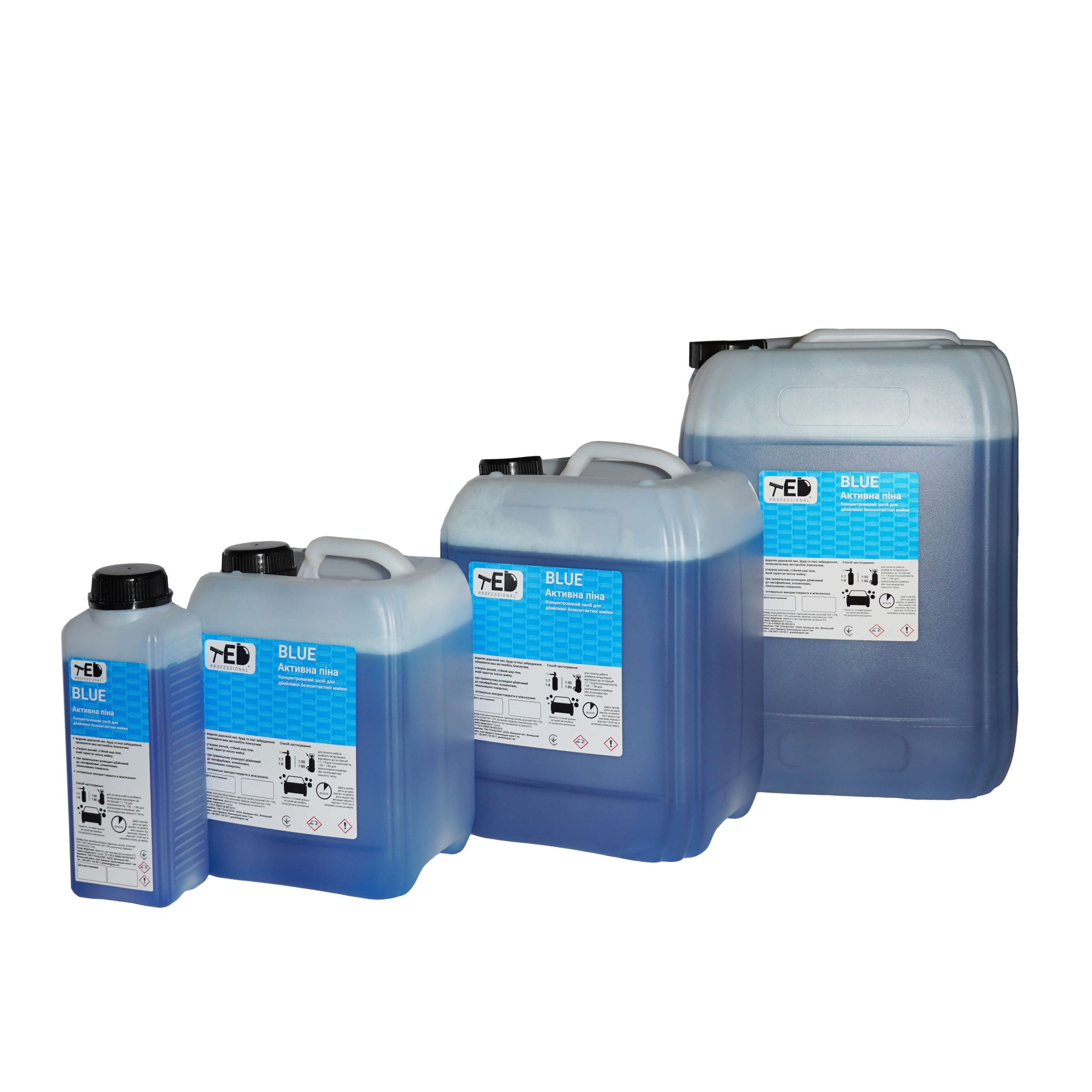
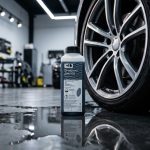
After cleaning the body, move directly to the wheels. If the surface of the rims contains a significant amount of metal deposits, use a special rim cleaner or iron remover. These products react with iron particles, convert them into a soluble state, and allow even old deposits to be easily rinsed off with a strong stream of water.
Acidic Wheel Cleaner – 1:3 (concentrate)
Price range: from 330 ₴ to 1,160 ₴Select options This product is available in several variations. You can select the options on the product page.
Comparison of different cleaning methods
| Cleaning Method | Effectiveness | Safety | Recommendation |
|---|---|---|---|
| Car Shampoo | Low | High | Suitable only for light soiling. |
| Active Foam | Average | High | The pre-wash stage. |
| Special Disc Cleaner | Very high | High | The best choice. |
| Household Acid Chemistry | High | Low | Not recommended. |
| Metal brush | Average | Very low | May scratch the surface. |
Step-by-step technology for safely cleaning alloy wheels
- Let the tires cool down completely after your drive.
- First, rinse off the bulk of the road dirt with a high-pressure water jet.
- Wash your car with professional Active Foam to remove dust, sand, and organic contaminants.
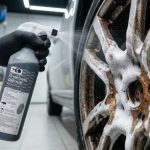
- Apply the special disc cleaner in an even layer over the entire surface.
- Allow the product to remain on for the manufacturer's recommended exposure time without letting it dry.
- If necessary, gently use a soft brush or a special brush.
- Rinse off all traces of the automotive chemical thoroughly with plenty of clean water.
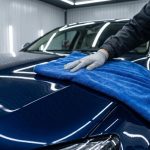
- Dry the surface with a microfiber cloth or a stream of compressed air.
Why you should apply protective wax after cleaning
After thorough cleaning, the wheel’s surface is virtually free of contaminants, so this is the best time to apply a protective coating. I recommend using professional Liquid Wax, which creates a thin water-repellent film and makes future washings much easier.
Liquid Wax – Express Wax for a Wet Car Body, 3–5 min
Price range: from 650 ₴ to 1,800 ₴Select options This product is available in several variations. You can select the options on the product page.
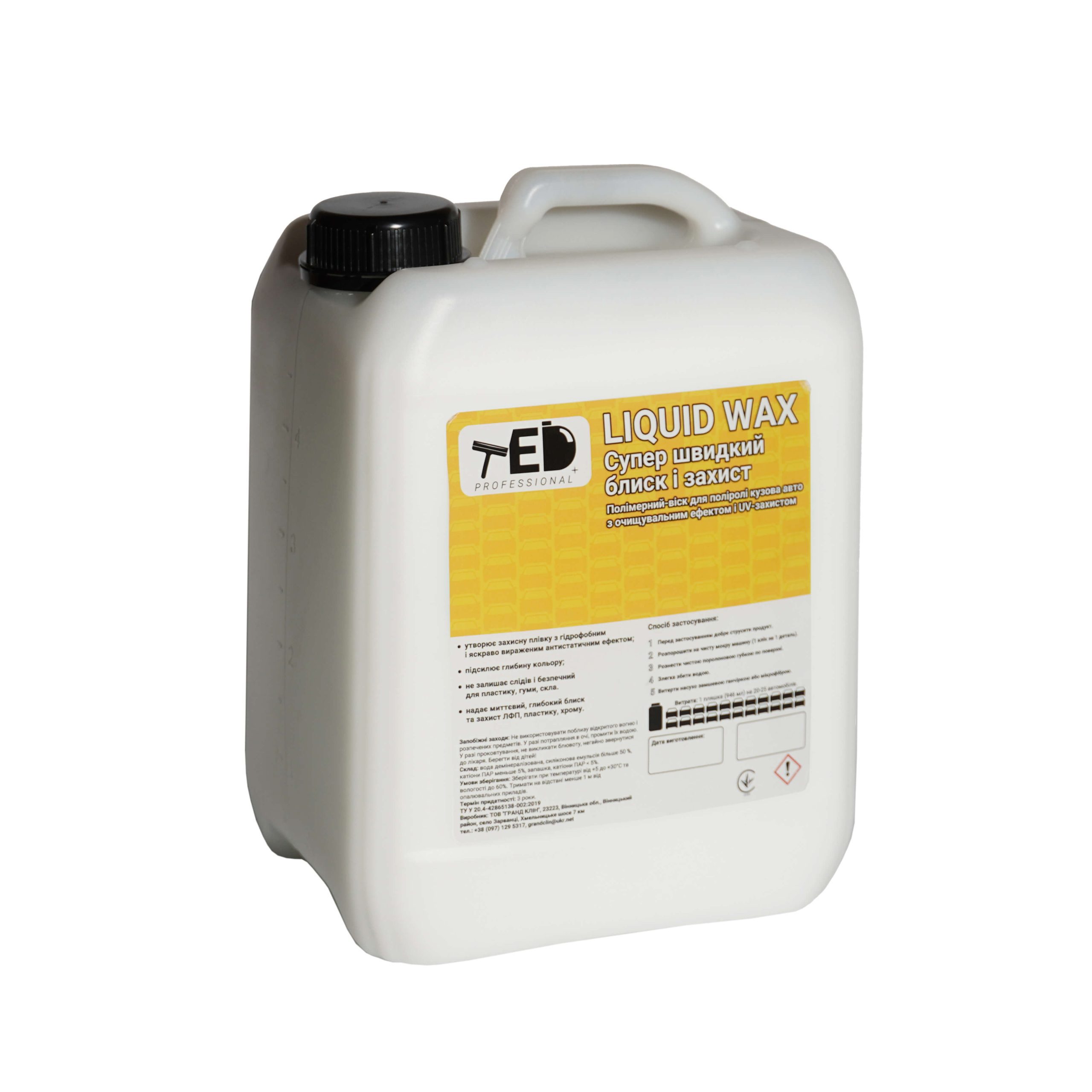
Thanks to the protective layer, metal particles adhere much less readily to the paint finish. Subsequent wheel cleaning takes less time, and the amount of car care products needed is significantly reduced. In addition, the wax enhances the shine, protects the surface from ultraviolet radiation, and helps maintain that “just-washed” look for longer.
From a physical and chemical standpoint, the protective coating acts as an additional barrier between the paint and the environment. It reduces the contact area between water, salts, and aggressive road chemicals and the wheel surface. At the same time, it reduces the adhesion of brake dust particles, which can no longer cling as firmly to the paint finish.
Laboratory studies of the properties of modern wax coatings show that the hydrophobic layer can significantly reduce moisture retention on the surface. Drops roll off more quickly, taking some of the dirt with them, and the natural self-cleaning process of the body and wheels becomes much more effective. That is why professional detailing almost always concludes with the application of a protective wax.
| Unprotected | After applying Liquid Wax |
|---|---|
| Rapid accumulation of metal dust | Less dirt buildup |
| It's harder to clean the wheels | Easy to clean during the next wash |
| Higher risk of stains | Protecting the Paint Finish |
| Less surface gloss | Vibrant, deep gloss |
How modern disc cleaners work
Modern professional cleaners work in several ways at once. Surfactants reduce the surface tension of water and improve the wetting of contaminants. Complexing agents bind metal ions, converting them into a soluble state, while dispersants keep particles suspended, preventing them from settling back onto the disc’s surface after cleaning.
It is precisely this combined action that makes it possible to effectively remove even old brake system wear debris without the need for intense mechanical friction. This principle is currently used by most professional manufacturers of automotive chemicals and is supported by modern research in the fields of colloidal chemistry, tribology, and metal surface cleaning technologies.
Common mistakes when cleaning alloy wheels and how to avoid them
Over the years I’ve worked with professional automotive chemicals, I’ve noticed that most damage to alloy wheels isn’t caused by low-quality products, but by using them incorrectly. Even an expensive cleaner won’t deliver the desired results if you apply it to an overheated surface or let it dry on the wheel. That’s why the correct sequence of steps is just as important as the product’s formulation.
One of the most common mistakes is cleaning the wheels immediately after a drive. The surface temperature can exceed sixty or even eighty degrees, causing the active ingredients to evaporate much faster and certain substances to lose their effectiveness. In addition, if the cleaner dries too quickly, it can leave streaks that will require a second wash to remove.
Another common problem is the use of stiff metal brushes or abrasive sponges. They quickly remove heavy buildup but, at the same time, leave micro-scratches on the painted surface. Over time, these defects become areas where new dirt accumulates and also accelerate the loss of gloss and the natural shine of the alloy wheel.
Errors that shorten the life of disks
- washing the wheels after a drive;
- working in direct sunlight;
- the unnecessary use of concentrated acids;
- excessive mechanical friction caused by stiff brushes;
- inadequate rinsing of automotive chemical residues;
- the absence of a protective coating after cleaning.
How often should alloy wheels be cleaned?
I recommend not waiting until a thick layer of dark grime builds up. If the car is used primarily in urban conditions, it’s best to clean the wheels every second or third time you give the car a thorough wash. This schedule helps prevent a significant buildup of metal dust and keeps the surface looking well-maintained without the use of harsh chemicals.
Cars that regularly travel on highways or are driven in mountainous areas require more frequent maintenance. Heavy braking significantly increases the amount of brake pad debris that accumulates on the wheels. In this case, regular cleaning helps prevent the formation of dense metal deposits, which are much more difficult to remove.
| Operating Conditions | Recommended cleaning frequency | Level of pollution |
|---|---|---|
| Municipal Operations | Every 2–3 washes | Medium |
| Route | After long trips | Tall |
| Aggressive Driving Style | After each thorough wash | Very high |
| Winter Operation | Every week | Maximum |
Why winter is the most dangerous time for alloy wheels
During the winter season, road salt, calcium-based chemicals, bitumen residue, and other aggressive substances mix with metal dust. These form a complex, multi-component film that adheres firmly to the paint finish. If such contaminants are not removed promptly, they can accelerate the aging of the protective layer and impair the appearance of even new wheels.
That is why, in the winter, I recommend applying a protective layer of Liquid Wax after every thorough cleaning. The hydrophobic coating significantly reduces the adhesion of road chemicals, makes subsequent washing easier, and helps maintain the surface’s flawless shine for longer.
Comprehensive car care after cleaning the wheels
I always recommend treating wheel cleaning as part of a comprehensive car care routine. It’s best to start the process by pre-washing the body with professional active foam, which removes major road grime and prepares the surface for the next steps. After that, the wheels are cleaned, and the final step is applying a protective wax coating.
This comprehensive approach not only ensures a flawless appearance but also makes subsequent car washes much easier. Protective coatings prevent dust, dirt, and metal particles from sticking, allowing you to keep your car clean while using less time, water, and car care products.
Infographic: the correct algorithm for cleaning alloy wheels
1. Pre-wash the car with active foam.
⬇
2. Cooling the disks to ambient temperature.
⬇
3. Applying a professional disc cleaner.
⬇
4. Allow the recommended reaction time to elapse.
⬇
5. If necessary, clean with a soft brush.
⬇
6. Thorough rinsing with high-pressure water.
⬇
7. Dry the surface with a microfiber cloth.
⬇
8. Applying Liquid Wax protective wax.
How to properly store alloy wheels after professional cleaning
I always emphasize that proper care for alloy wheels doesn’t end once they’ve been washed. Equally important steps include proper drying, applying a protective coating, and storing the wheels properly—especially when it comes to seasonal sets. It is precisely at this stage that you can significantly extend the service life of the paint finish and maintain the wheels’ attractive appearance throughout many years of car use.
After thorough cleaning, I recommend completely removing any remaining water using a high-quality microfiber cloth or a stream of compressed air. Pay special attention to the joints between the spokes, the ventilation holes, and the center of the wheel. These are the areas where moisture most often accumulates, which can lead to mineral deposits or corrosion of the metal fasteners.
After drying, it is recommended to apply a protective layer of Liquid Wax. The wax creates a thin, water-repellent film that prevents dust, road chemicals, and metal particles from sticking to the surface. This makes subsequent washing much easier, and the surface retains its characteristic mirror-like shine for longer, even with heavy use of the vehicle.
Comprehensive care from TED Professional
I always recommend using a complete car care system rather than individual products. Each product serves its own purpose and complements the previous step in the cleaning process. It is this comprehensive approach that allows you to achieve professional results even when washing your car yourself, without the expensive equipment found at a detailing center.
- Pre-wash of the car with active foam.
- Cleaning alloy wheels with a specialized cleaner.
- Washing the car's body with professional car shampoo.
- Drying surfaces with high-quality automotive microfiber.
- Applying Liquid Wax.
- Regular maintenance washing without harsh automotive chemicals.
What TED Professional recommends
Based on my own experience, I can say that the greatest expense comes not from regular maintenance, but from restoring neglected alloy wheels. If you systematically remove brake pad wear residue, use high-quality automotive chemicals, and maintain a protective wax coating, the wheels will remain in excellent condition for many seasons without the need for expensive polishing.
That is why I recommend that car owners use professional solutions from TED Professional, which combine effective cleaning, gentle care for the paint finish, and long-lasting protection for all exterior parts of the car. This approach helps keep the wheels looking their best regardless of the season, road conditions, or how frequently the vehicle is used.
Technical opinion of the TED Professional expert
As a TED Professional expert, I am convinced that safely cleaning alloy wheels starts with choosing the right technology, not the most aggressive automotive chemicals. Regularly removing brake pad wear debris helps preserve the factory paint finish, maintains the car’s aesthetic appeal, and extends the service life of the wheels.
To achieve the best results, I recommend using the comprehensive care system from TED Professional: pre-cleaning with active foam, surface protection with Liquid Wax, and a selection of professional car care products from the TED-Professional.ua catalog. It is this comprehensive approach that ensures long-lasting shine, easy cleaning, and maximum protection for all of the car’s exterior surfaces.
Acidic Wheel Cleaner – 1:3 (concentrate)
Price range: from 330 ₴ to 1,160 ₴Select options This product is available in several variations. You can select the options on the product page.
Frequently Asked Questions
Why is brake dust so hard to wash off with regular shampoo?
Brake pad wear debris contains metal particles, resins, and mineral impurities that become firmly embedded on the surface of cast wheels. Car shampoo removes mainly organic dirt, while a specialized cleaner is needed for metal deposits.
Can I use acid-based wheel cleaners?
These products should only be used in accordance with the recommendations of the wheel and automotive chemical manufacturers. For regular maintenance, it is safer to use modern, pH-balanced professional cleaners.
How often should alloy wheels be cleaned?
It is best to clean the wheels during every thorough car wash or at least once every two to three weeks. This prevents the buildup of stubborn metal deposits.
Does active foam help remove brake dust?
Active foam effectively dissolves road grime, but it cannot completely remove metal particles from the brake pads. A special wheel cleaner is needed for this.
Is it safe to use a disc cleaner on lacquered surfaces?
High-quality, professional pH-neutral cleaners are compatible with most lacquered, painted, and powder-coated surfaces, provided the manufacturer's instructions are followed.
Why should you apply wax after cleaning the wheels?
Protective wax creates a water-repellent layer that reduces the buildup of brake dust, makes subsequent washing easier, and helps the rims retain their shine longer.
Is it okay to clean hot tires right after a drive?
No. The wheels must cool down before applying any cleaner. Using automotive chemicals on a hot surface can reduce the product's effectiveness and increase the risk of staining.
What are the best tools to use for cleaning alloy wheels?
We recommend using soft detailing brushes, special wheel brushes, and high-quality microfiber cloths. They effectively clean the surface and minimize the risk of scratches.