Hello, I’m a TED Professional technician. Washing a car is often seen as a routine, mechanical task, but from a chemical perspective, it’s a complex, multi-stage process of breaking adhesive bonds. Many car owners and even car wash operators are convinced that all you need to do is apply a thick layer of active foam, wait a few minutes, and rinse it off with pressurized water. However, the result is often disappointing—after drying, a gray film appears on the body. Cleaning effectiveness depends on a balance of factors: the chemical composition of the cleaner, water hardness, surface temperature, and strict adherence to the exposure time. Today we’ll explore why “foam magic” isn’t always enough and how professional cleaning chemicals work at the molecular level.
What Happens to the Car Body During Washing
Dirt on a car isn’t just dust. It’s a multi-layered “cake” consisting of abrasive particles, fuel combustion byproducts, asphalt residue, and organic compounds. The biggest problem is what’s known as electrostatic attraction. Fine particles of road dirt carry a negative charge, while the paint finish carries a positive charge (or vice versa, depending on the conditions), causing the dirt to literally “stick” to the paint.
Cleaning is, first and foremost, a matter of surface tension. To remove dirt, the cleaning solution must wet it, penetrate microcracks, and surround each particle with a protective film, preventing it from settling again. Studies show that plain pressurized water can remove only 25–30% of coarse contaminants, while the rest remains trapped by adhesive forces and a grease film.
How Active Foam Works at the Molecular Level
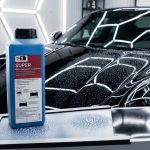
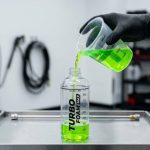
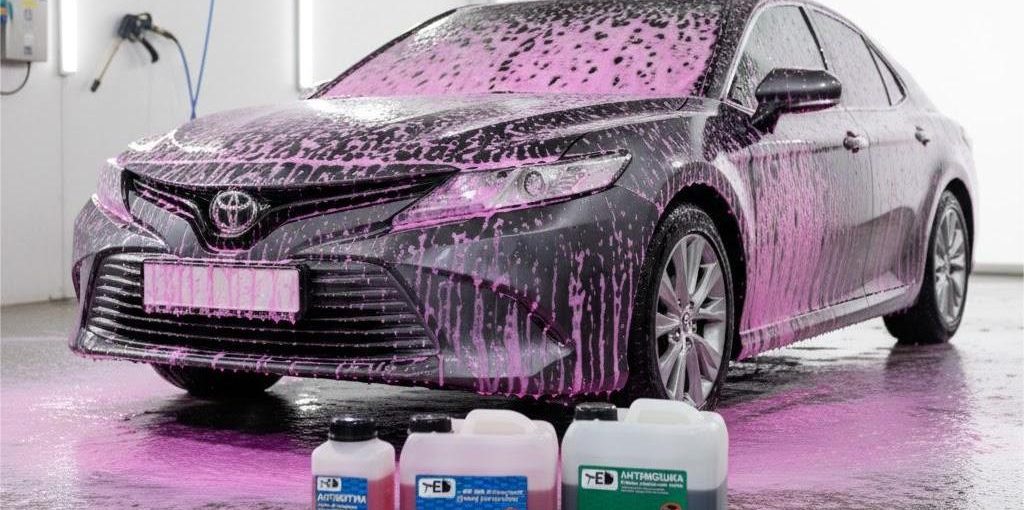
TED Professional’s active foam is not just soapy water. It is a high-tech blend of anionic and nonionic surfactants, complexing agents, and corrosion inhibitors. When applied using a foam kit, it creates a structure that serves two purposes: first, it holds the active ingredients on vertical surfaces, preventing them from running off too quickly; second, as the foam bubbles burst, they create microvibrations that help the chemicals penetrate deeper into the layers of dirt. The use of TED Professional active foam increases the efficiency of the non-contact phase by up to 40% compared to budget alternatives, thanks to its ability to dissolve heavy oil films.
Is foam alone enough to thoroughly clean your car?
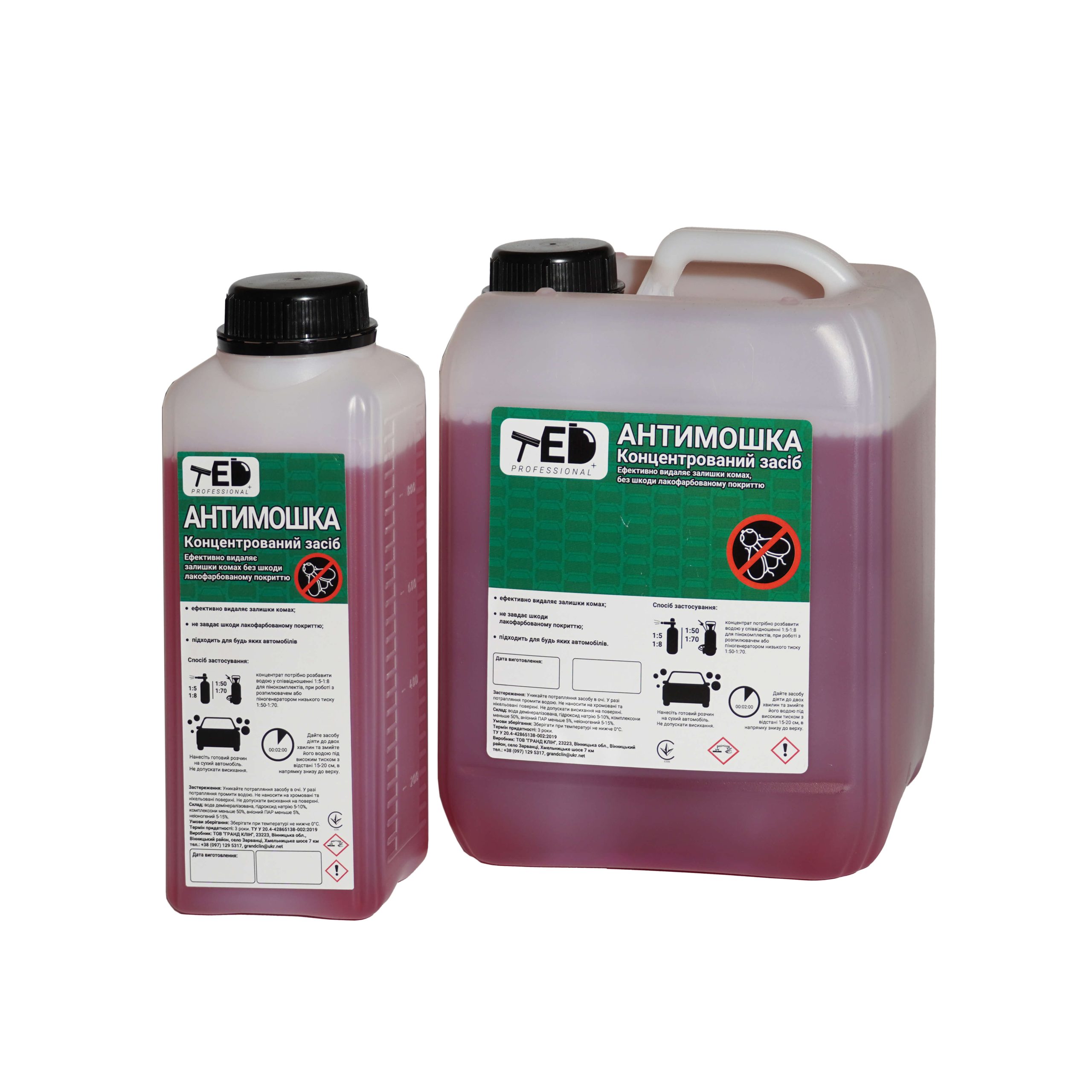
The contactless foam phase is the ideal way to remove the bulk of the dirt without damaging the paint with abrasives. It easily handles fresh dust and light organic deposits. However, there are types of contamination that even the most powerful alkaline solution cannot remove. For example, insect residue contains specific proteins and acids that literally “bake” into the paint as they dry— Antimoshka was developed specifically to tackle these. Bitumen, tar, and metallic particles (brake dust) also have a different nature of adhesion.
Antimoshka – a cleaner for insects and organic contaminants
Price range: from 250 ₴ to 1,350 ₴Select options This product is available in several variations. You can select the options on the product page.
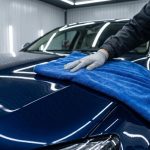
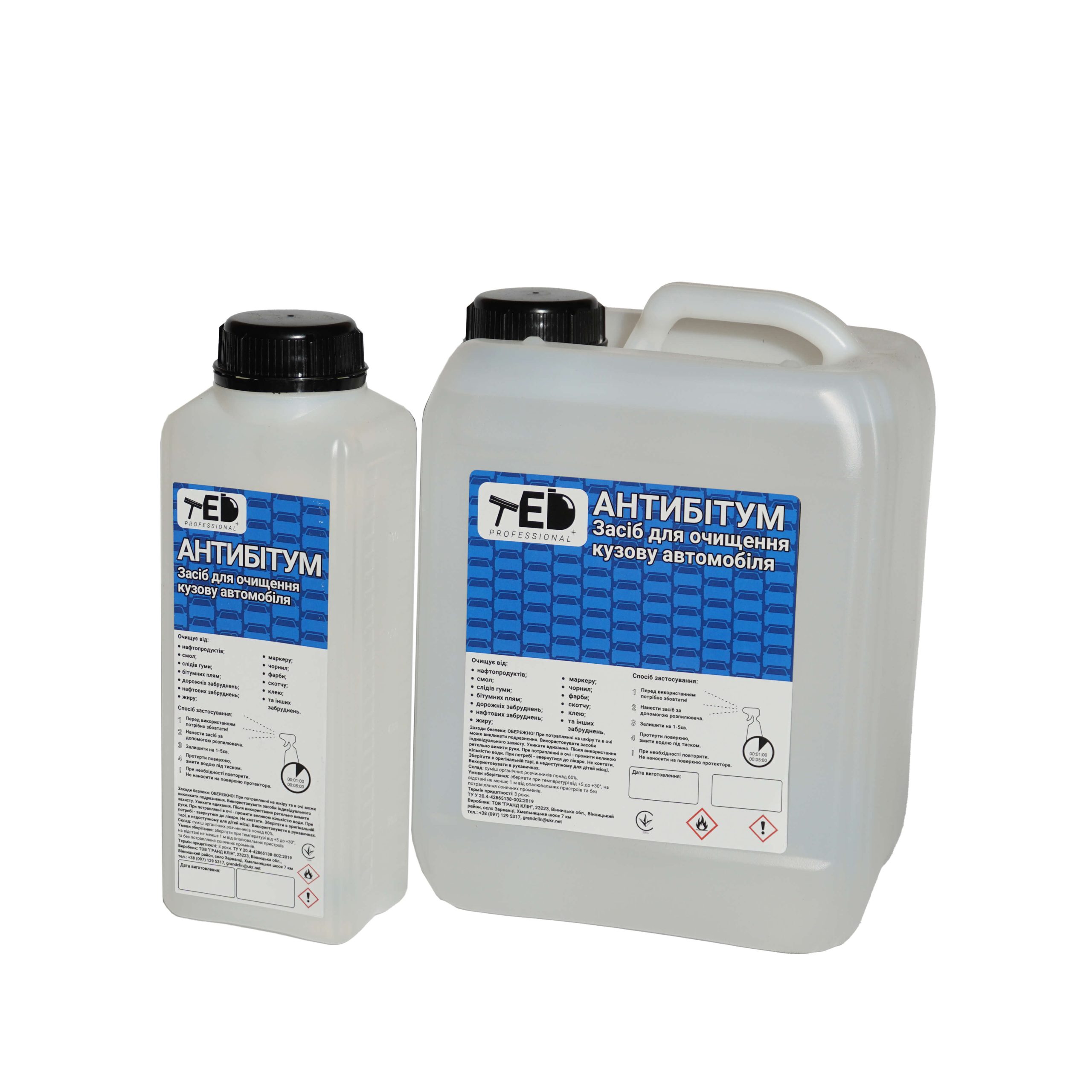
Using anti-bitumen and a specialized wheel cleaner is an essential step for maintaining the shine of the clear coat. It’s important to understand that even after the best foam wash, a “static film” remains on the body. This is a micro-layer of dirt that cannot be washed off without mechanical action. That’s why we recommend a two-phase wash: after rinsing off the foam, you need to hand-wash the car with shampoo and a special wash mitt.
Antibitum – a bitumen and resin cleaner
Price range: from 451 ₴ to 1,994 ₴Select options This product is available in several variations. You can select the options on the product page.
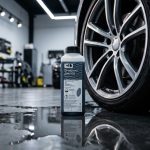
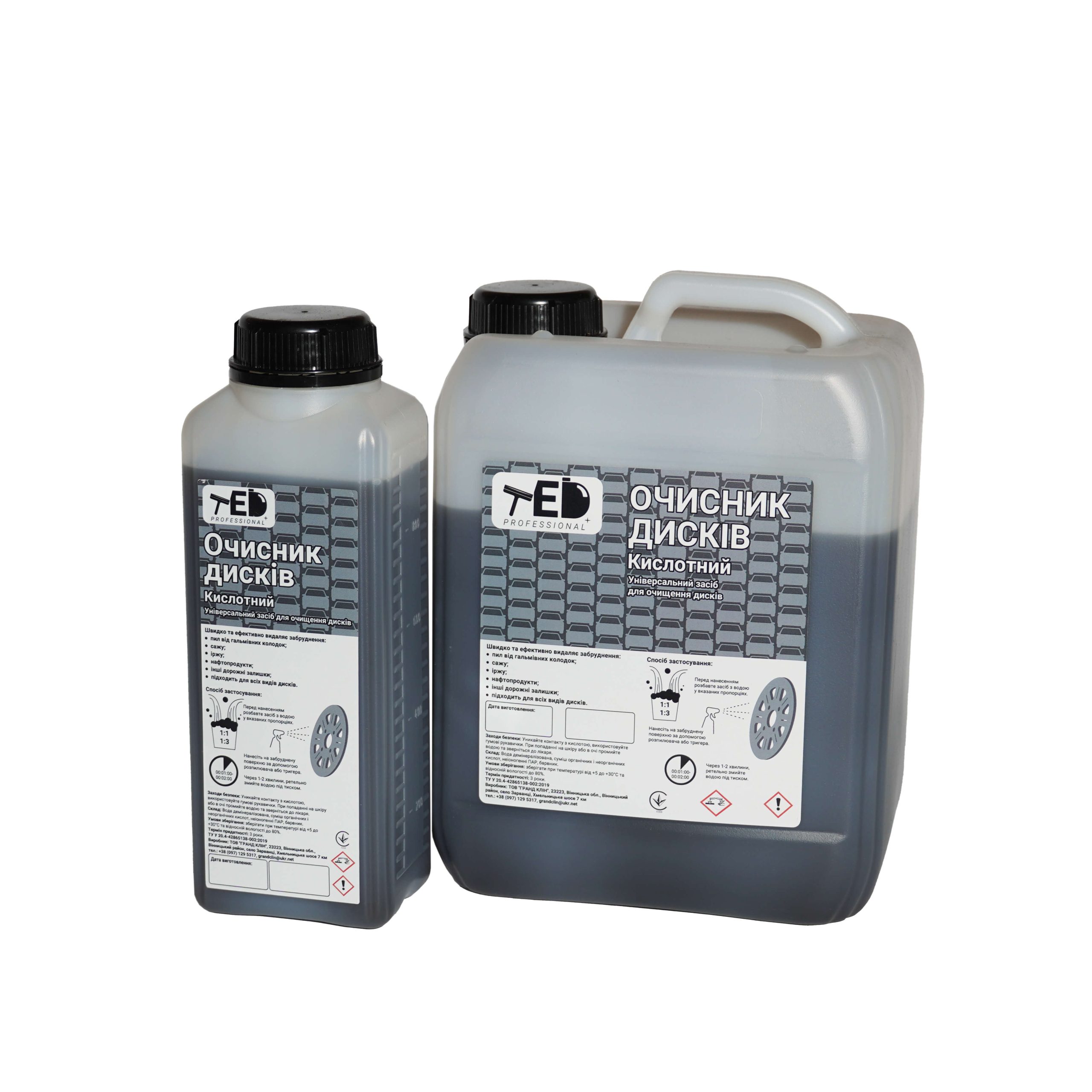
Acidic Wheel Cleaner – 1:3 (concentrate)
Price range: from 330 ₴ to 1,160 ₴Select options This product is available in several variations. You can select the options on the product page.
The Impact of External Factors on the Outcome
In addition to the choice of chemicals, working conditions are critically important. Washing a hot vehicle (after a long drive or while it’s in the sun) causes the water in the foam solution to evaporate instantly. This sharply increases the concentration of alkali on the surface, which can lead to chemical burns on the paint and the appearance of stains that cannot be removed. Hard water also neutralizes some of the active ingredients, which is why we add water softeners to our formulations so that the foam performs consistently in any region.
Professional Car Wash Technology — A Benchmark Algorithm from a Technologist
To achieve a “detailing” level of finish, we recommend the following procedure:
- Pre-rinsing: Rinse off sand and coarse dirt with pressurized water. This will cool the body.
- Non-contact phase: Apply TED Professional foam from the bottom up. Wait 2–4 minutes, making sure it does not dry out.
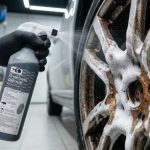
- Cleaning the parts: While the foam is working, treat the wheels with the cleaner, and use a soft brush on problem areas (grilles, seams).
- Rinsing: Thoroughly rinse the body with pressurized water, starting from the bottom and working your way up, and then finish by rinsing from top to bottom.
- Conditioning: After drying, be sure to apply a tire conditioner. This not only improves the appearance but also protects the tires from UV rays and cracking.
🛠 Personal Experience: A Real-Life Case Study
We recently had a customer contact us complaining that whitish streaks remained on his black Toyota Camry after washing it with premium foam. Many people immediately blame the chemicals, but we decided to audit the process.
It turned out that the car washer had applied the solution to the hood, which had become very hot after driving on the highway. The metal’s temperature exceeded 50°C. The chemical solution dried in 40 seconds, before it had a chance to break down the dirt, and the alkali began to react with the paint. As soon as we changed our approach—first cooling the body with water and then switching to a two-phase wash—the result was perfect.
My conclusion: Even the best chemicals won’t work if you ignore the physics of the process. If you see “static” on the car’s body, don’t increase the foam concentration—just put on a glove for hand washing.
Expert Summary and Recommendations
So, is it possible to wash your car using only foam? Yes, if you wash your car every day and it has only a light layer of dust. In all other cases—no. Foam is a preparatory step that removes abrasive particles so you don’t scratch the paint during the hand-washing stage. A scientific approach to car care involves using specialized products for each type of dirt. When you choose TED Professional, you’re getting more than just a product—you’re getting proven technology to protect your car. Remember: the right sequence of steps and high-quality cleaning products will save you money on future body polishing.
Frequently Asked Questions for the Technologist