The modern process of cleaning a car with active foam is based on complex physicochemical interactions between surfactants and adhesive particles of road dirt. Many car owners mistakenly view this process as simply applying a cleaning solution, ignoring critical factors that affect the integrity of your car’s paint finish. Scientific research in the field of polymer chemistry clearly indicates irreversible destructive processes in the paint’s structure when alkaline components are used improperly. Using aggressive compounds without understanding their specific properties leads to a rapid loss of hydrophobic properties and clouding of the top layer of the body’s protective coating. That is why we decided to take a detailed look at the key technical mistakes most commonly encountered in both professional and amateur car care practices.
An Innovative Standard in Cleansing: TED Professional Active Foam
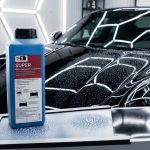
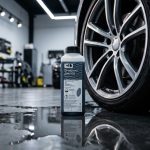
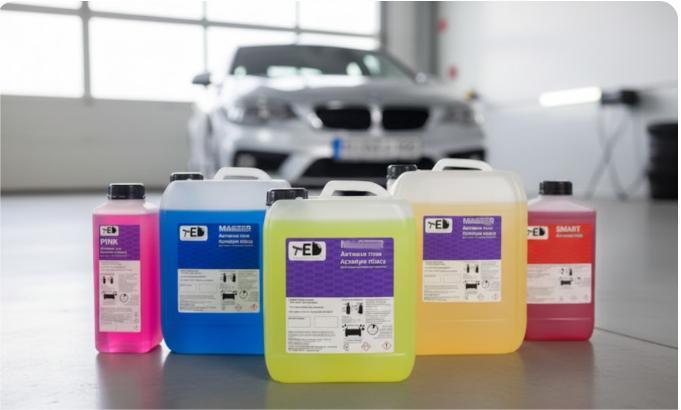
To ensure maximum safety and exceptional cleanliness, we recommend using our premium TED Professional active foam, which has undergone a series of rigorous laboratory tests. The unique formula of our concentrate is based on the use of mild corrosion inhibitors that reliably protect metal parts and chrome-plated components from the harmful effects of an alkaline environment. Our team of chemists developed this product with the specific characteristics of European paint types in mind, ensuring high cleaning power even when using hard water. The product creates a dense, stable foam that effectively adheres to vertical surfaces, ensuring prolonged contact with dirt and easy removal without mechanical action. By choosing TED Professional products, you can be confident in the professional quality of your car care, save money thanks to the high concentration, and enjoy the complete environmental safety of the ingredients.
Mistake No. 1: Exceeding the permissible concentration and exposure time
A common misconception is the belief that a higher concentration of chemicals ensures faster and more effective breakdown of complex organic compounds and static road grime on the car body. However, laboratory tests confirm that an excessively high pH level causes oxidation of aluminum trim and the gradual drying out of rubber door seals. When the active foam remains on the surface for too long, it begins to crystallize, creating microcracks in the paint’s structure through which moisture and salts can penetrate. The chemical reaction must occur within a strictly defined time frame to ensure safe removal of dirt without damaging the vehicle’s metal body. Adhering to the manufacturer’s recommendations regarding dilution ratios is critical to preserving the longevity and mirror-like shine of any modern vehicle.
Mistake #2: Applying foam to a hot surface in direct sunlight
Temperature plays a decisive role in the rate of chemical reactions between the active ingredients of the product and the residues of bitumen or mineral deposits. Applying the cleaning solution to a hood heated by direct sunlight causes the water to evaporate instantly, leaving a concentrated alkaline residue directly on the paint. According to research on surface thermodynamics, such a thermal shock can lead to “chemical burns,” which manifest as white spots or characteristic iridescent streaks. The high surface temperature of the car body activates the aggressive properties of surfactants, making them uncontrollable and capable of prematurely breaking the molecular bonds of the protective layer of car wax or nanoceramics. A professional approach requires pre-cooling the car body with running water and performing the washing procedure exclusively in shaded areas or specially equipped covered bays.
Mistake #3: Using hard water without adjusting the dosage
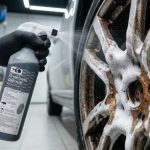
The chemical composition of water significantly affects the effectiveness of active foam, as magnesium and calcium salts can partially neutralize the cleaning action of surfactants. In regions with hard water, foam formation becomes less intense, forcing users to unnecessarily increase the amount of concentrate, which creates an additional risk to the paint finish. Studies show that metal ions in water form insoluble compounds that can settle on the car body as a microscopic film, gradually robbing the vehicle of its natural deep shine. TED Professional’s line of professional-grade chemicals contains special chelating agents that bind hardness salts and allow the active ingredients to work at full capacity regardless of the water source. Ignoring water quality and refusing to use filters or specialized products is a direct cause of stubborn water spots on glass and chrome parts.
Mistake #4: Not following the proper rinsing technique (from bottom to top)
The method for removing foam from a car’s surface follows a specific sequence; deviating from this sequence causes dirt to settle again on areas that have already been cleaned and leads to unsightly streaks. Many people start by rinsing the cleaning solution off the roof, but experts insist on directing the water stream from the bottom up for better control over the process of breaking down dirt. This approach allows the active ingredients to interact longer with the most heavily soiled areas—the sills and lower parts of the doors—which typically accumulate the greatest amount of abrasive particles. The hydrodynamics of the rinsing process involve using high pressure at a specific angle to physically “shear off” the foam layer along with sand and dust, without rubbing them into the paint surface. A final top-to-bottom rinse is performed during the final stage to completely remove any chemical residues from all recesses in the body and the joints between plastic panels.
Mistake #5: Not drying the wood and not using protective treatments
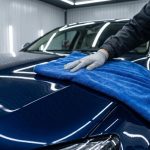
Leaving the car to air-dry on its own after using active foam is a critical mistake that negates all the effort put into professionally cleaning the body surface. The minerals contained in water droplets form so-called “craters” after evaporation, which are difficult to remove without using abrasive polishes or special cleaning clay. The experts at TED Professional strongly recommend using highly absorbent microfiber towels or a compressed air system to remove moisture from hard-to-reach areas. After a high-quality contactless wash, the paint remains “bare” and unprotected, so applying quick-dry waxes or sealants is an essential step for creating a hydrophobic barrier. Regular maintenance and proper finishing significantly extend the intervals between washes and protect the car from the aggressive effects of the environment, road salt, and ultraviolet radiation.
Your Path to a Flawless Interior and Exterior
To summarize, it’s worth noting that high-quality car care requires not only professional-grade cleaning products but also a deep understanding of the washing processes. Avoiding the mistakes mentioned above, combined with the use of cutting-edge solutions from TED Professional, will allow you to preserve your car’s original appearance for many years to come. We are constantly refining our formulas, drawing on the latest scientific advancements, to ensure that every wash is safe, effective, and leaves you thoroughly satisfied with the results. Remember that the correct concentration, temperature, and sequence of steps are the key to ensuring your car always looks like new. Choose proven quality, trust the professionals, and enjoy the flawless shine of your vehicle every day, regardless of weather conditions or road surface.