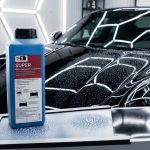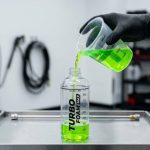
The cost of car care chemicals is one of the largest items of operating expenses for any car wash—whether self-service, full-service, or touchless. The largest portion of these costs comes from active foam for car washes, since it is used during every wash cycle. Saving on car wash chemicals is possible thanks to the right approach to diluting concentrates, choosing high-quality formulas, and optimizing processes.
At the same time, there is still a widespread myth among car wash owners that cutting back on chemicals inevitably leads to a loss of quality. In fact, a modern approach to selecting and dosing professional car care chemicals makes it possible to reduce costs without compromising the wash results.
What Factors Determine the Cost of Chemicals at a Car Wash?
Breakdown of Expenses for Automotive Chemicals
The main costs are associated with active foam, shampoos for the main wash, specialized body cleaners, as well as waxes and drying agents. In practice, it is the active foam that determines the cost-effectiveness of washing a single car.
The proportion of chemicals in the cost of car washing
Depending on the type of car wash, car care products account for 20–35% of the cost of goods sold. At the same time, using concentrated products in the correct proportions can significantly reduce costs without compromising effectiveness.
The Chemistry of Car Washing: The Scientific Basis for Effectiveness
How Surfactants Work
Surfactants reduce the surface tension of water, allowing it to penetrate between the dirt and the car’s surface. This is precisely why professional active foam is a fundamental step in contactless car washing.
Critical micelle concentration (CMC)
Scientific studies (Journal of Surfactants and Detergents) confirm that once the critical micelle concentration (CMC) is reached, further increases in surfactant concentration do not improve cleaning performance but only increase chemical consumption.
Is it possible to reduce chemical use without compromising quality?
That is, if professional concentrated products are used, the recommended dilution ratios are followed, and the characteristics of the water and equipment are taken into account.
The Main Sources of Excessive Chemical Use at Car Washes
Incorrect dilution of concentrates
One of the most common causes of overuse is improper dilution, which causes the foam to run off the car’s surface quickly. A detailed analysis of this problem is provided in the article “Why Foam Doesn’t Stay on the Car.”
Hard water
In hard water, some of the surfactants bind with calcium and magnesium salts. Under these conditions, it is important to use foaming agents with enhanced complexing agents or to adjust the proportions.
Seasonal factor
In winter, active foam behaves differently due to lower temperatures and reduced reactivity of surfactants. The chemical reasons for this phenomenon are explained in detail in the article “Why Active Foam Behaves Differently in Winter.”
Practical Ways to Reduce Chemical Costs
Use of Concentrated Active Foams
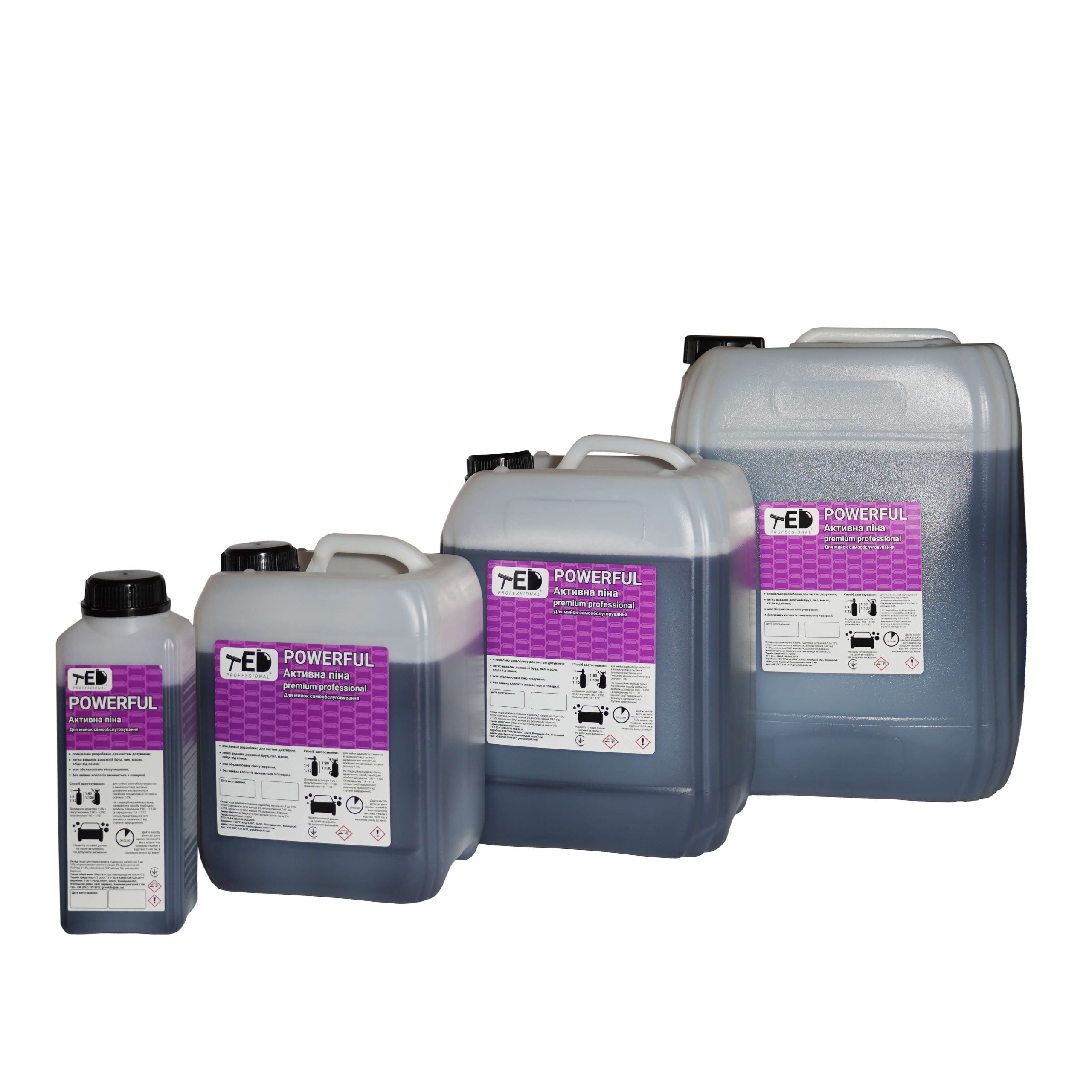
Highly concentrated products, such as Powerful Active Foam, allow you to operate within a wide range of dilution ratios and reduce costs per wash cycle.
Powerful Active Foam – 1:130 foam (concentrate)
Price range: from 300 ₴ to 3,170 ₴Select options This product is available in several variations. You can select the options on the product page.
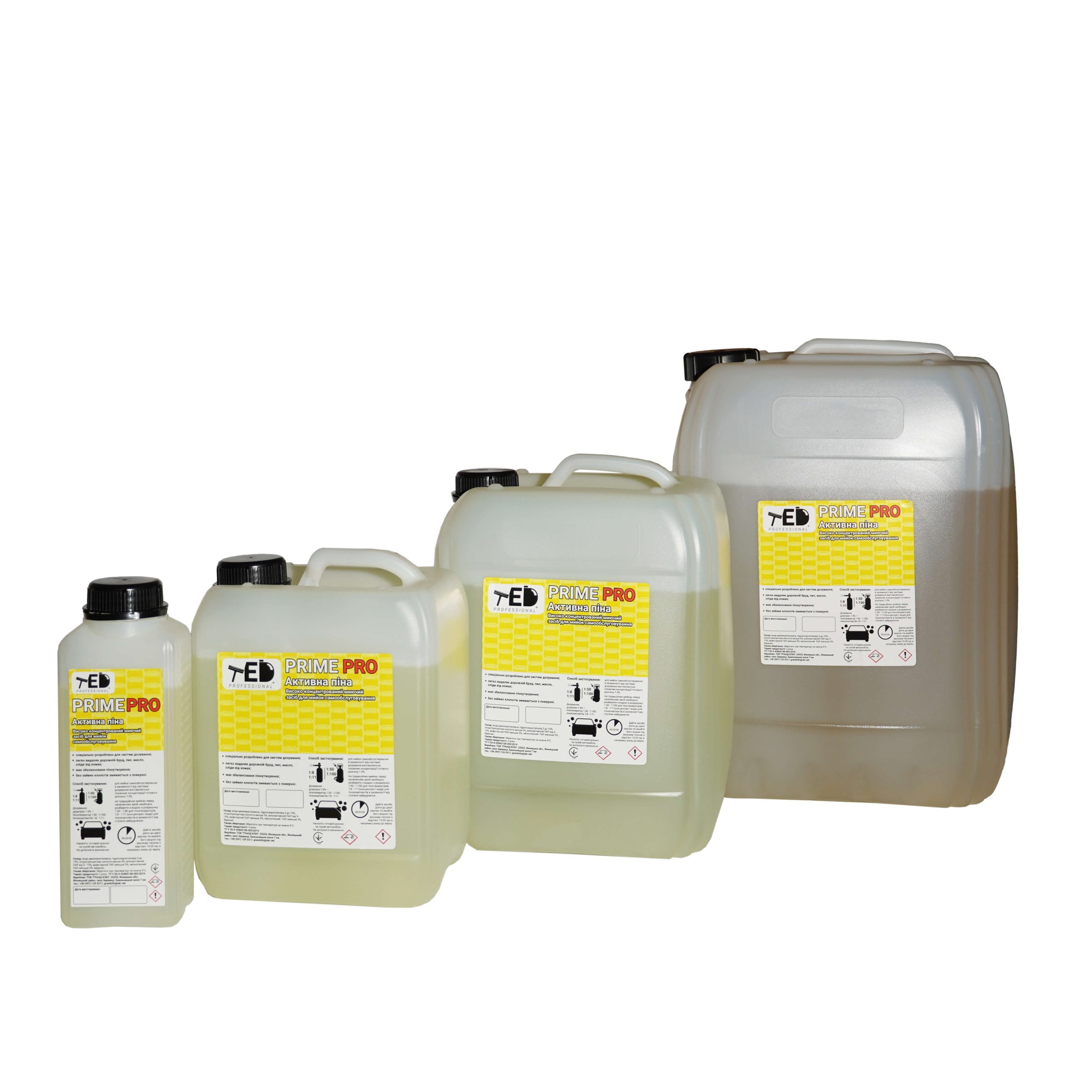
For daily use, the best option is Prime Pro Active Foam, which combines effectiveness with safety for the paint finish.
Prime Pro Active Foam – 1:50 – 1:100 (concentrate)
Price range: from 250 ₴ to 2,700 ₴Select options This product is available in several variations. You can select the options on the product page.
Self-service car washes
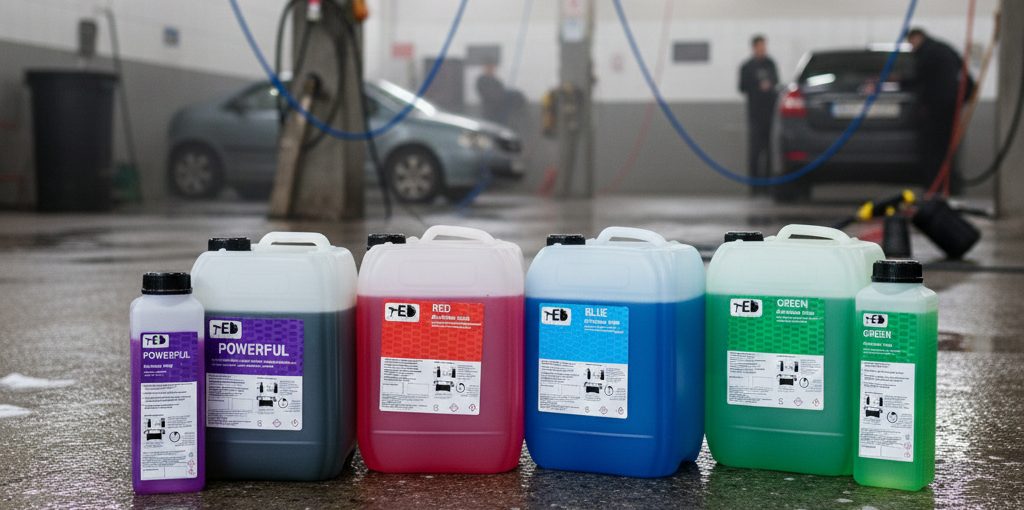
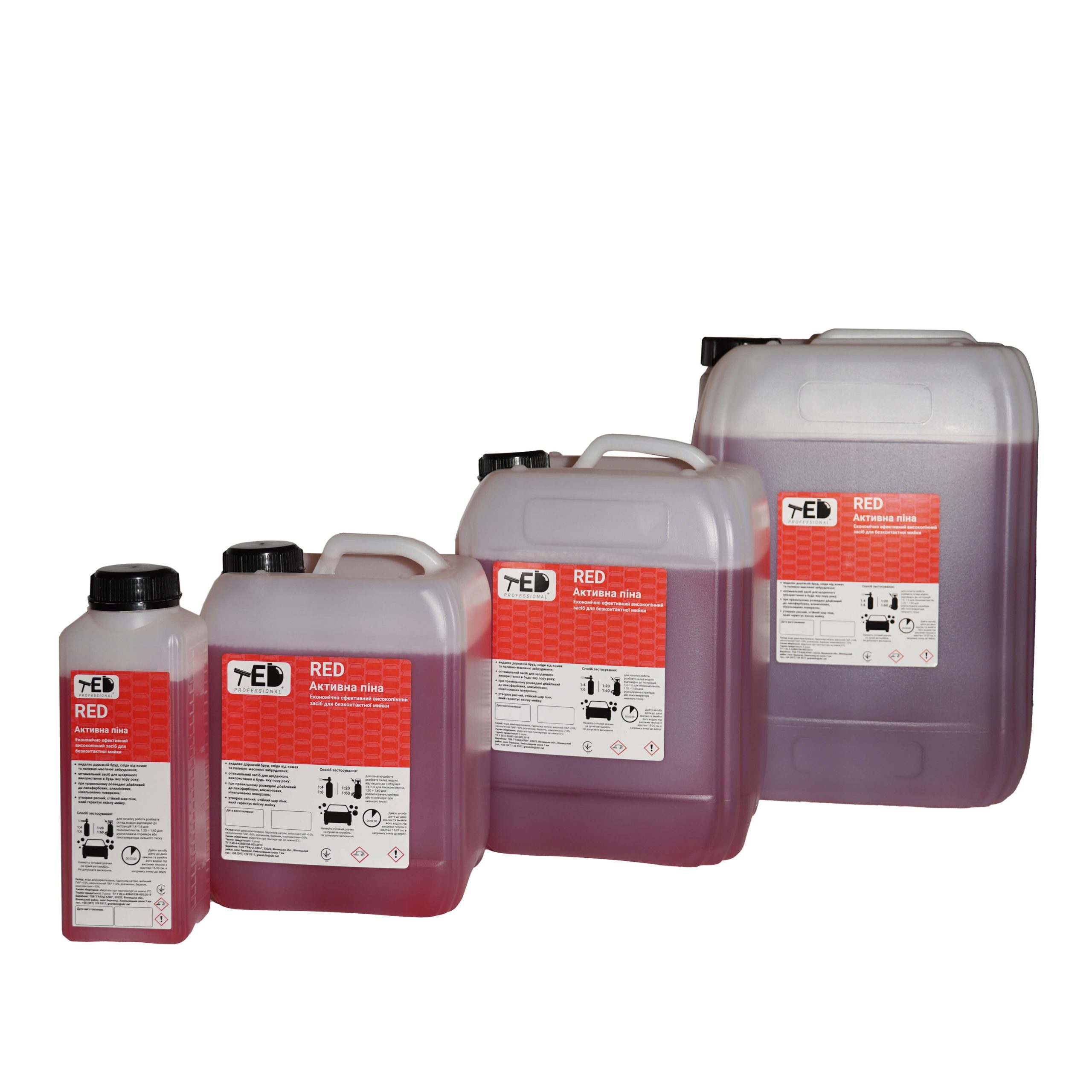
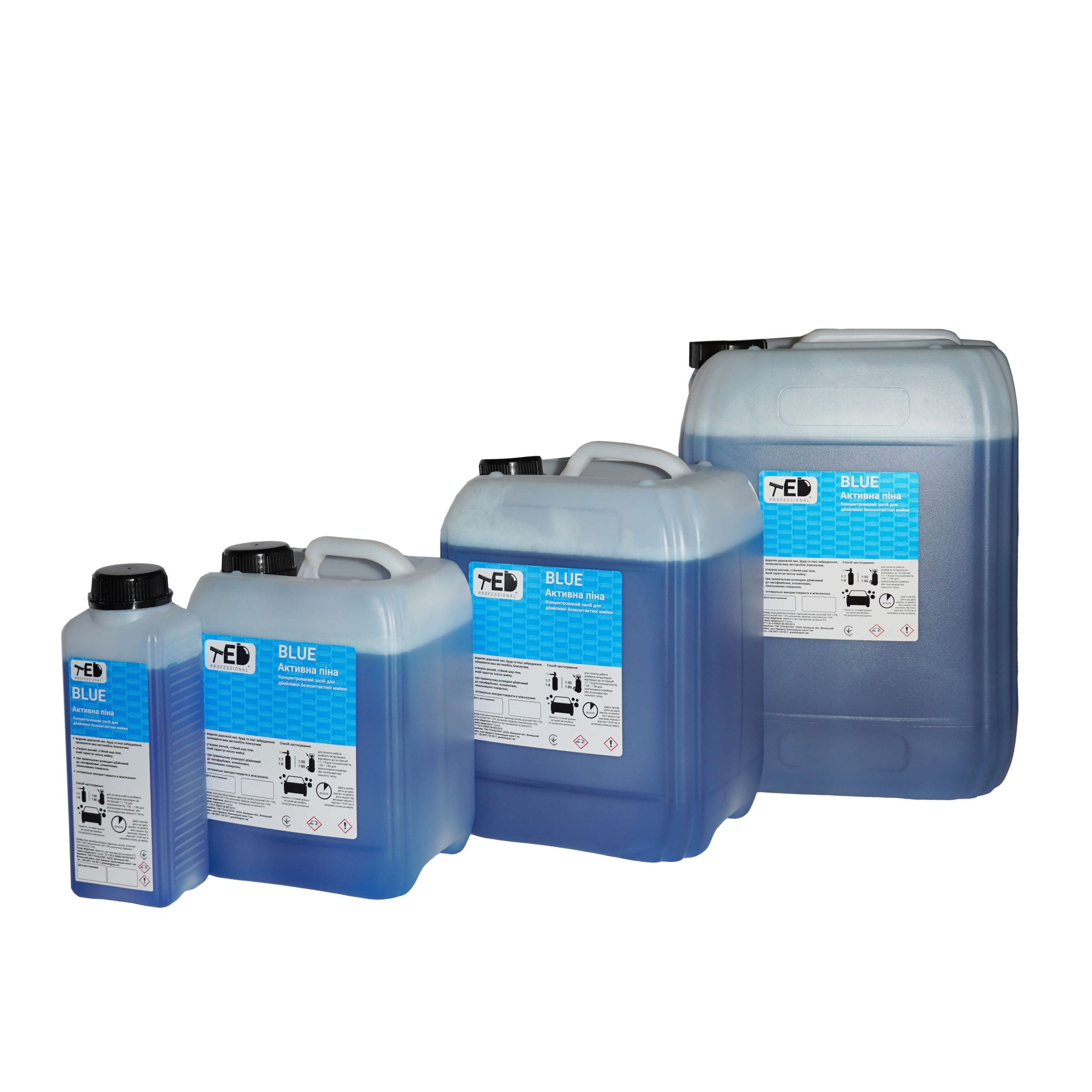
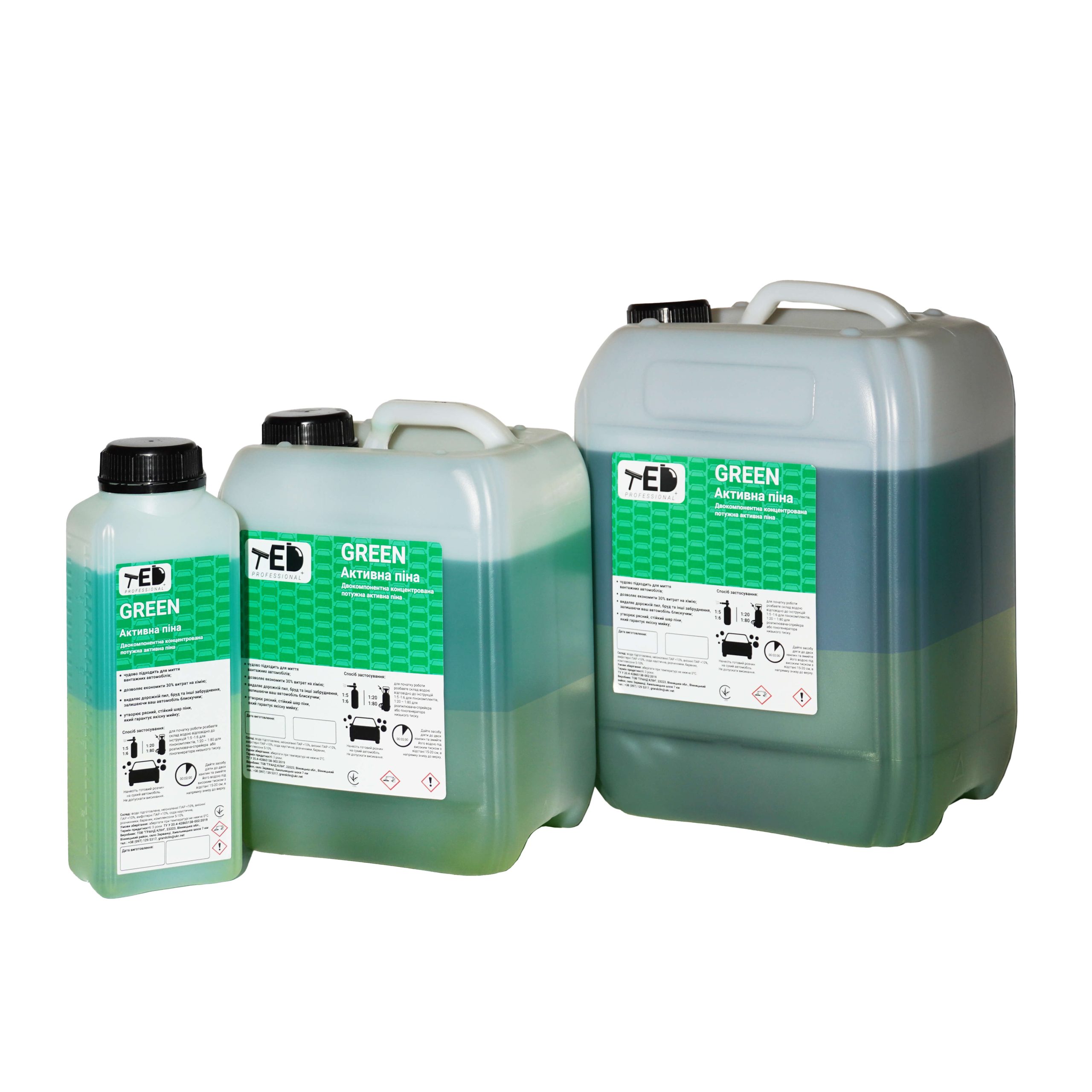
Self-service car washes often use colored formulations: Red Active Foam, Blue Active Foam, and Green Active Foam, which deliver consistent results and controlled flow rates.
RED Active Foam – 1:20 – 1:60 (concentrate)
Price range: from 145 ₴ to 1,590 ₴Select options This product is available in several variations. You can select the options on the product page.Blue Active Foam – 1:50 – 1:80 (concentrate)
Price range: from 250 ₴ to 2,990 ₴Select options This product is available in several variations. You can select the options on the product page.Green Active Foam – 1:20 – 1:80 (concentrate)
Price range: from 180 ₴ to 2,080 ₴Select options This product is available in several variations. You can select the options on the product page.
Cost vs. Quality: Where Is the Line?
A sign of proper optimization is consistent cleaning results without the need for repeat cycles. If the quality declines, this indicates incorrect dosing, not poor-quality chemicals.
Practical Case Studies from Car Washes
In practice, switching to concentrated active foam for car washes, combined with calibrating the dispensers, can reduce costs by 20–30% without compromising wash quality.
Experts' Conclusions
Saving on chemicals at a car wash isn’t about cutting costs at any cost, but rather about intelligently optimizing processes. Using professional active foam, proper dilution, and controlling wash conditions allow you to maintain service quality while increasing business profitability.
Frequently Asked Questions
Is it really possible to reduce spending on car care products without compromising cleaning performance?
Yes, this is possible provided that professional-grade concentrated chemicals are used, along with proper dilution and control of water parameters and equipment. Scientific studies confirm that once the optimal surfactant concentration is reached, further increases in dosage do not improve cleaning effectiveness.
Why doesn't an excessive concentration of active foam improve the results?
Once the critical micelle concentration (CMC) is reached, surfactants stop forming new micelles; therefore, increasing the concentration does not improve cleaning performance but only leads to an excessive use of chemicals.
What are the main reasons for overusing chemicals at car washes?
Most often, overuse occurs due to improper dilution of concentrates, the use of hard water, a lack of calibration of the dispensers, and the use of chemicals that are not suited to the type of contamination.
Does water hardness affect the consumption of automotive chemicals?
Yes, hard water reduces the effectiveness of surfactants, as calcium and magnesium salts partially neutralize their action. This often leads to an unnecessary increase in dosage if this factor is not taken into account.
Is it possible to use less detergent in the winter without compromising quality?
In winter, it is permissible to adjust the concentration, but only within the manufacturer’s recommendations. It is important to take into account the water temperature and the reduced reactivity of the surfactant, rather than simply increasing the dosage.
How can you tell when using less detergent starts to affect the quality of the wash?
Signs of improper dosing include foam that dissipates quickly, dirt residue after washing, and customer complaints. In such cases, you should review the dilution ratios or equipment settings.