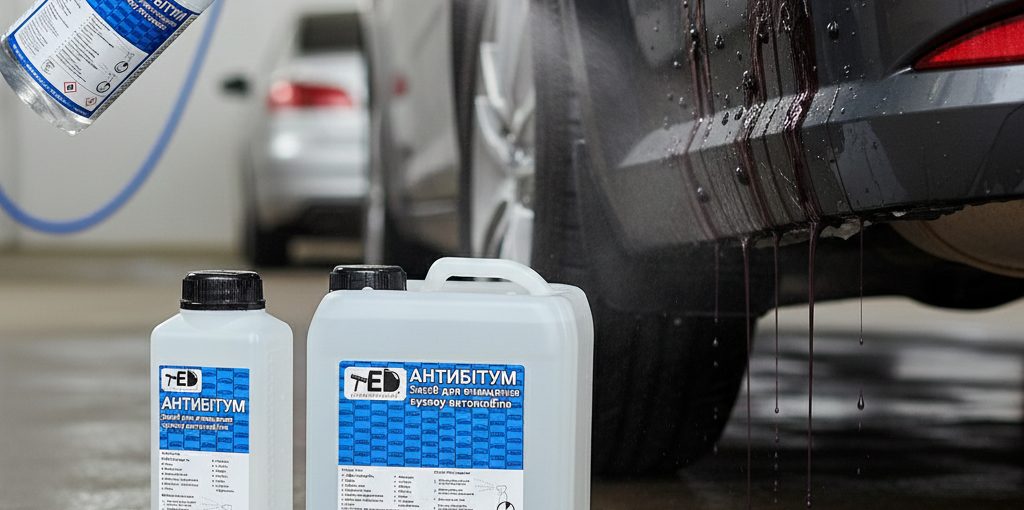
An Expert’s Personal Experience: Why Anti-Bitumen Treatment Is an Essential Step in Car Care
As a professional car care specialist, I can say with confidence that most damage to the paint finish begins with tar stains that weren’t removed in time. In my practice, I have repeatedly seen situations where ignoring tar stains led to the need for deep polishing or even spot repainting.
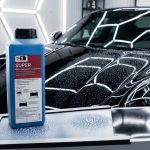
That is why I recommend using a specialized anti-bitumen product as soon as stains appear. This approach allows you to remove bitumen without mechanical action, preserve the factory shine of the clear coat, and significantly extend the coating’s service life.
In practice, high-quality anti-bitumen treatment isn't an extra expense—it saves money on touch-ups and ensures that your car will look well-maintained even after heavy use.
In practice, high-quality anti-bitumen treatment isn't an extra expense—it saves money on touch-ups and ensures that your car will look well-maintained even after heavy use.
Bitumen stains on a car’s body are one of the most common—yet most underestimated—problems in car care. They appear after driving on highways, during the summer, or when roadwork is underway. A regular car wash isn’t enough to effectively remove this kind of dirt, and ignoring the problem over time can damage the paint finish.
That is why bitumen remover is a must-have product not only for professional car washes but also for every car owner who cares about their car’s appearance and longevity.
What Is Anti-Bitumen: Definition and Purpose
What is bitumen, and where does it come from in cars?
Bitumen is a mixture of heavy petroleum fractions used in asphalt pavement. When exposed to high temperatures, it softens and is transferred to the car’s body in the form of microdroplets. Bitumen stains most often accumulate on the side sills, wheel wells, lower parts of the doors, and the rear bumper.
Definition of Antibitum
Anti-Bitumen is a specialized chemical product designed to safely dissolve and remove bitumen and oil stains from a car’s surface. Unlike all-purpose cleaners, Anti-Bitumen acts selectively—it dissolves bitumen without damaging the paint, plastic, or rubber components.
The Chemistry of Anti-Bitumen: How It Works
The Molecular Nature of Bitumen
Bitumen is a hydrophobic substance with high adhesion to polymer surfaces. This is precisely why water and alkaline chemicals, in particular active foam, are unable to effectively remove it.
Main Components of Anti-Bitumen
- organic solvents compatible with paint and varnish coatings;
- surfactants;
- corrosion inhibitors;
- stabilizers to reduce evaporation.
Scientific studies on effectiveness
Studies published in the *Journal of Cleaner Production* and *Surface Coatings International* confirm that organic solvents with controlled polarity can effectively break down bitumen film without degrading polyurethane and acrylic coatings.
Why Is Bitumen Dangerous for a Car?
Effects on the Paint and Varnish Coating
Over time, bitumen seeps into the micropores of the clear coat, causing localized darkening and yellowing. Even polishing does not always completely eliminate these defects.
The Consequences of Ignoring Tar Stains
- accelerated aging of the varnish;
- the need for abrasive polishing;
- a decrease in the market value of the car.
Antibitum vs. Other Cleaning Methods
Why doesn't active foam remove bitumen?
The alkaline action of the active foam targets organic and grease-based contaminants, but does not break down oil-based substances. That is why dark spots often remain on the car body after washing.
Risks of Mechanical Removal
Attempts to wipe off the tar with a rag or sponge can cause micro-scratches, especially on dark-colored cars.
Types of bitumen
By format
- spray — for spot cleaning;
- liquid anti-bitumen — for professional use;
- gel formula — for extended wear.
Household and industrial bitumen products
Antibitum – a bitumen and resin cleaner
Price range: from 451 ₴ to 1,994 ₴Select options This product is available in several variations. You can select the options on the product page.
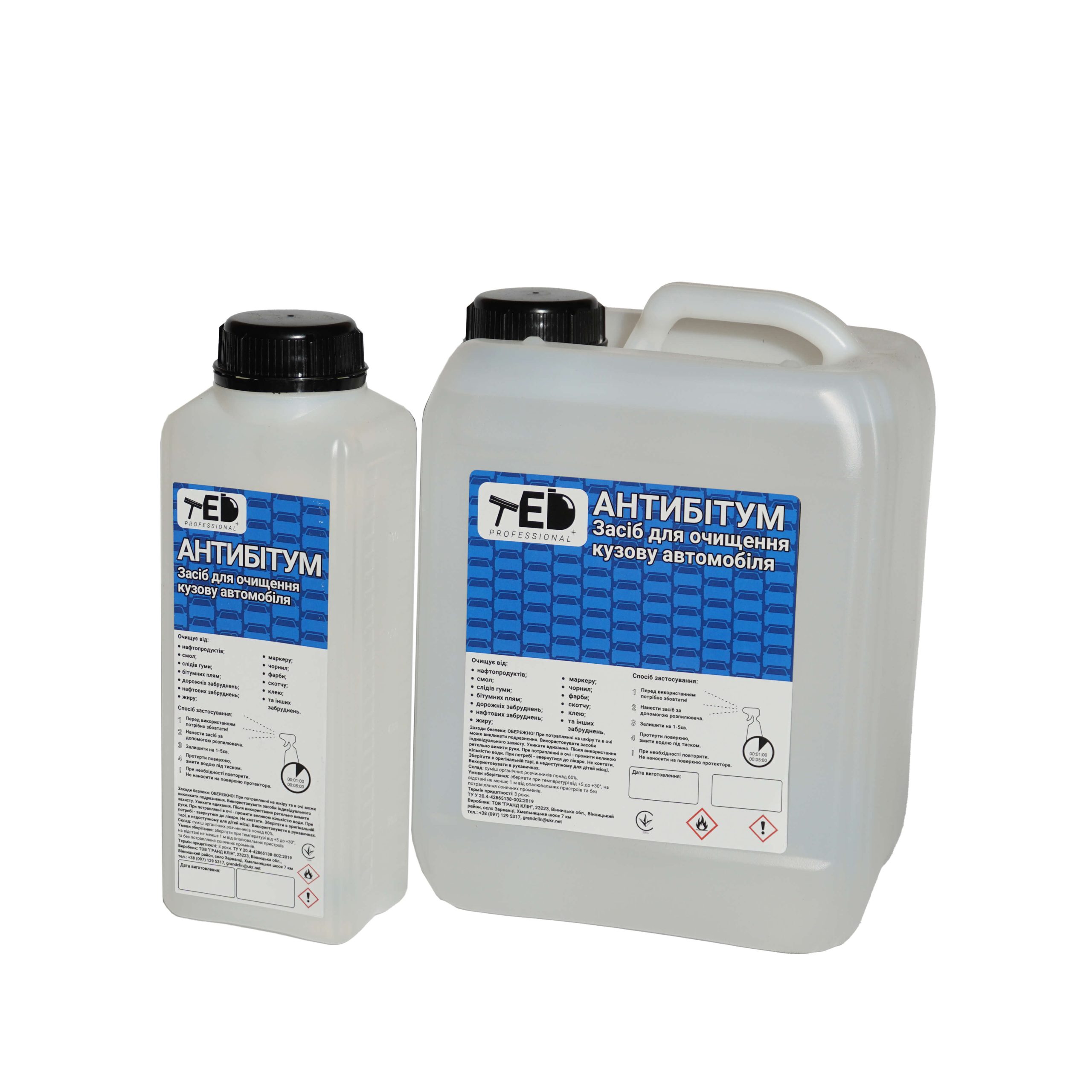
Professional products, such as TED Professional’s professional anti-bitumen car body cleaner, have a higher concentration and offer better value per vehicle.
How to Use Anti-Bitumen Correctly
Step-by-Step Instructions
- Wash the car beforehand.
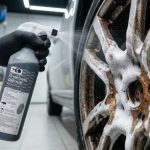
- Apply the anti-bitumen to a dry or slightly damp surface.
- Let it sit for 2–5 minutes.
- Rinse thoroughly with pressurized water.
Common Mistakes
- application to a hot car body;
- over-dosing of the product;
- no need for a second rinse.
Safety for Cars and People
High-quality anti-bitumen is safe for paint, plastic, and rubber when used according to the instructions. It is recommended to wear gloves and work in a well-ventilated area.
Does Every Car Owner Need an Anti-Bitumen Product?
Bitumen barrier is necessary:
- city cars;
- a car after highway trips;
- new cars for preventive maintenance;
- A car with ceramic or wax protection.
Insights from TED Professional Experts
Bitumen removal is not an optional step in car care—it’s essential. Regularly removing bitumen stains helps preserve the paint finish, avoid costly repairs, and keep your car looking flawless for many years.
Antibitum – a bitumen and resin cleaner
Price range: from 451 ₴ to 1,994 ₴Select options This product is available in several variations. You can select the options on the product page.
Frequently Asked Questions
What is anti-bitumen, and what is it used for?
Anti-Bitumen is a special product designed to safely remove bitumen and oil stains from a car's body without damaging the paint.
Can anti-bitumen be used on a new car?
Yes, anti-bitumen is recommended even for new cars to prevent damage to the paint finish.
How often should you remove tar stains?
It is recommended to remove tar stains as soon as they appear, or at least once a month during the warmer months.
Does anti-bitumen damage varnish?
High-quality anti-bitumen is safe for paint as long as the manufacturer's instructions are followed.
How does anti-bitumen differ from active foam?
Active foam removes organic contaminants, while anti-bitumen is specifically designed to dissolve petroleum fractions.